



Residential Construction Baghdad Guide for Villas and Apartments
- Choose a contractor with proven capacity (machinery, manpower) and documented quality controls for concrete, waterproofing, and MEP testing.
- Lock scope and roles early (design coordination, approvals, procurement, testing, commissioning) to prevent silent scope delays.
- Plan procurement around real lead times and stock risk in Baghdad and Iraq, with pre-approved brands and alternates to protect specifications and schedule.
- Use a contract model that matches design maturity (lump-sum, unit-rate, or cost-plus) with milestones tied to measurable deliverables.
These four actions work together: capacity keeps the site moving, scope clarity prevents gaps, procurement protects the schedule, and the right contract model keeps decisions aligned under real site pressure.
Baghdad projects also face practical constraints that affect cost and schedule, including fluctuating market availability, material lead times through Iraqi supply channels (and, when required, import), workforce logistics, and the need for strong quality control in concrete and MEP works. This guide focuses on selecting a delivery partner, planning scope and specifications, and choosing a contract model that can withstand real site conditions in Baghdad. It is written from a B2B perspective with one goal: predictable delivery that protects your reputation with owners and investors.
Home Construction Company Baghdad: How to Choose a Partner That Can Deliver
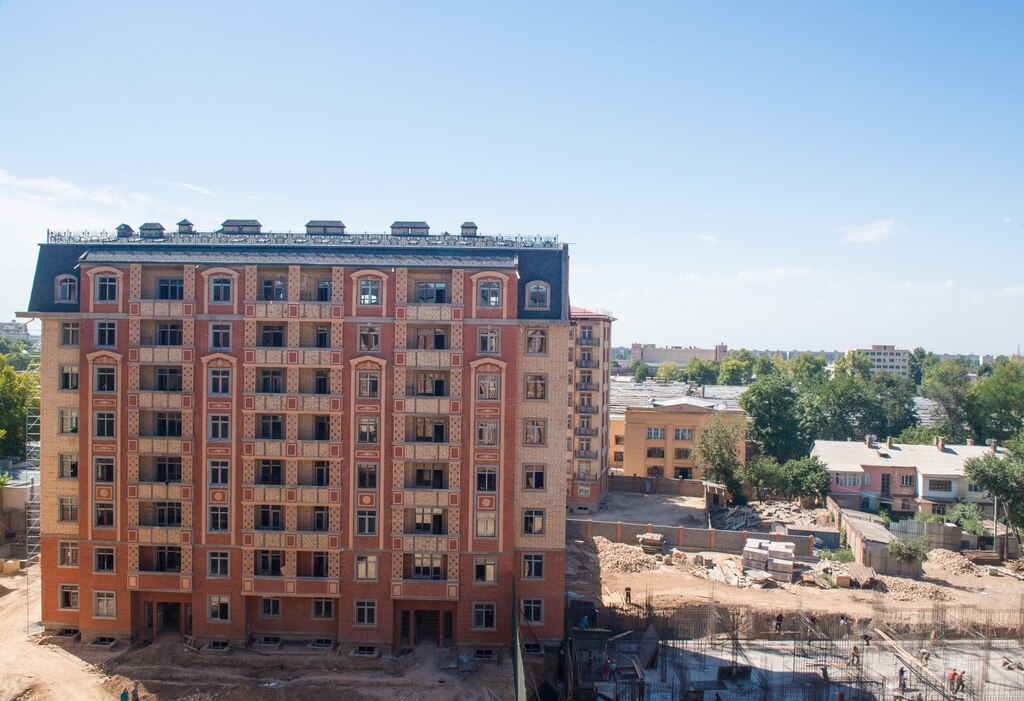
Choosing a home construction company Baghdad is not only about price or portfolio photos. It is about whether the contractor can execute consistently under Iraq’s operating conditions.
Start with compliance and governance: the company should be properly licensed and aligned with relevant local requirements, because permitting and inspection issues can stop progress faster than technical problems. Next, confirm how core packages are delivered, whether through stable in-house teams or heavy subcontracting, because loosely managed subcontractors often create quality variation and schedule drift.
Finally, insist on a realistic programme tied to procurement lead times, testing checkpoints, and inspection hold points. Quality controls should be planned, documented, and enforced from day one, especially for concrete testing, rebar inspection, waterproofing checks, and MEP pressure testing.
Aldhaman supports channel and project delivery partners by reducing coordination risk across the full chain in residential construction Baghdad through general contracting plus project management. Practical services that directly impact delivery speed include workforce accommodation (to stabilise productivity during overlapping trades) and managed material import (to protect specifications when local stock is inconsistent). The objective is fewer handoffs, fewer gaps, and a tighter link between scope, schedule, and quality.
Capacity and continuity in Baghdad: machinery, manpower, and site readiness
In Baghdad, capacity determines whether you can mobilise quickly, recover after delays, and keep the site moving when conditions change. Owned heavy machinery strengthens control over excavation, backfilling, site grading, and lifting operations that often define the critical path. When machinery is rented and shared across multiple projects, mobilisation becomes uncertain, especially when urgent acceleration or rework is needed.
Manpower depth matters as much as equipment. Residential projects require consistent crews for formwork, reinforcement, blockwork, plastering, tiling, and MEP installation to maintain a predictable rhythm. Aldhaman’s scale, more than 1,800 workers and owned heavy equipment, supports faster mobilisation and schedule certainty across Baghdad, particularly when a partner needs a contractor that can start without long lead-in delays.
Scope clarity from day one (design-to-handover roles)
Many delays begin with unclear responsibilities. Scope clarity means defining who owns design coordination, authority approvals, procurement, construction execution, testing, and commissioning, and tying these roles to a practical programme.
This prevents silent scope items from appearing late, such as external utility connections, boundary walls, or fire safety requirements that affect MEP layouts. A stronger approach is to agree early on a design-to-handover workflow that includes decision timelines, submittal cycles, and measurable acceptance criteria. When Aldhaman is engaged as a general contractor with project management, partners can align design inputs, procurement timing, and site sequencing so packages are released in the right order and handover requirements are planned instead of improvised.
| Execution control lever | What to confirm early |
|---|---|
| Compliance and governance | Licensing alignment and readiness for permitting and inspections to avoid stoppages. |
| Delivery approach | Whether core packages are handled by stable in-house teams or heavily subcontracted teams (risk of variation and schedule drift). |
| Programme realism | Schedule tied to procurement lead times, testing checkpoints, and inspection hold points. |
| Quality controls | Documented controls from day one: concrete testing, rebar inspection, waterproofing checks, and MEP pressure testing. |
| Capacity | Owned heavy machinery for critical path works and manpower depth across key trades. |
| Design-to-handover roles | Clear ownership of design coordination, approvals, procurement, execution, testing, and commissioning to prevent silent scope. |
Villa Construction Baghdad: Cost Drivers, Specs, and Execution Planning

Villa construction Baghdad can look straightforward on paper, yet the highest costs and delays often come from avoidable decisions in structure, MEP coordination, and finishes procurement.
A practical villa scope typically includes structure (earthworks, foundations, concrete frame, masonry), MEP systems (electrical, plumbing, HVAC, low-current), finishes (plaster, paint, joinery, tiles, stone), and external works (boundary walls, landscaping, paving, drainage). In Baghdad, delays commonly occur when design decisions keep changing after structural work starts or when long-lead items, such as HVAC equipment, generators, specialty finishes, and elevators (if used), are not ordered early.
Costs also rise when specifications are copied from other markets without checking availability in Iraq, leading to substitutions, rework, or quality compromises. A delivery partner’s role is to help owners choose specifications that balance budget, durability, and supply certainty while protecting the intended look and performance.
Execution planning should begin with realistic assumptions about site access, neighbourhood constraints, and utility interfaces because these directly affect equipment choices and sequencing. Tight streets and limited storage often force just-in-time deliveries, increasing dependence on a stable supply chain in Baghdad. The most practical approach is to lock structural and MEP design early, then plan procurement so critical items arrive before their installation windows. This protects quality by ensuring you install the right components at the right time, without rushed substitutions.
Site works and structure: foundations, concrete, and sequencing
Villa projects often underestimate soil conditions and excavation planning, especially on sites with variable ground, high moisture, or previous fill. Early geotechnical checks and a realistic excavation plan reduce the risk of foundation redesign, unexpected dewatering, or settlement issues that later appear as cracks and defects.
Concrete quality control is a primary risk area because structural performance depends on correct mix design, placement, vibration, curing, and testing, not only on drawing notes. Sequencing is equally important: poorly planned slab cycles can block MEP sleeves, force rework around openings, and create clashes between blockwork and services.
A disciplined approach ties reinforcement inspections, formwork checks, cube testing, and curing procedures to hold points so issues are caught before the structure advances. Clean structural execution speeds up later trades and reduces disputes because problems are easier to trace and prevent.
Finishes and MEP: getting quality without schedule drift
Finishes and MEP are where villa quality is judged, and they are also where schedule drift is most common because multiple trades overlap in the same spaces. The key control lever is coordination: MEP routes, ceiling levels, wet area waterproofing, and joinery details must be agreed before closing walls and ceilings.
Long-lead items should be identified early and tied to the procurement plan. Late selections often lead to rushed installation and more defects. Inspection checkpoints protect quality when they are treated as part of production, not paperwork, for example, plumbing pressure testing, HVAC duct insulation checks, and waterproofing tests before tiling. Standardising details across bathrooms and kitchens also reduces mistakes and accelerates installation. With controlled approvals, disciplined procurement, and structured inspections, you can deliver a premium villa without trading quality for speed.
Residential Building Contractor Baghdad: Contracting Model and Risk Management
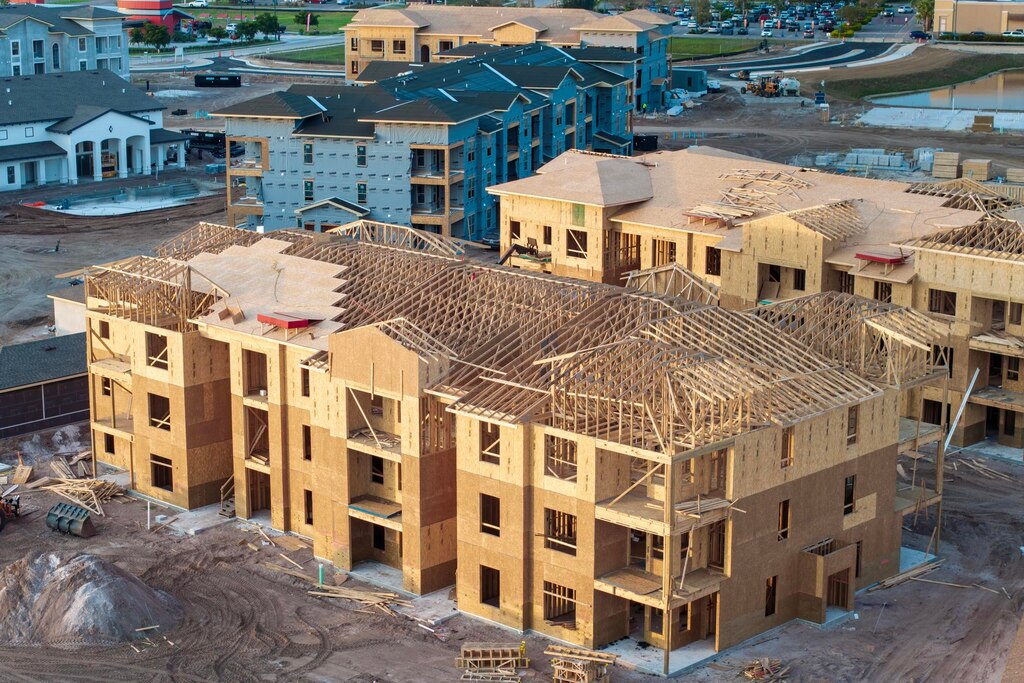
Selecting a residential building contractor Baghdad should include a contracting model that matches design maturity, risk profile, and procurement uncertainty in Iraq.
Lump-sum works best when drawings and specifications are complete and the scope is stable, because it gives cost certainty and simplifies payment control. Unit-rate can be effective when quantities are uncertain, often external works or infrastructure interfaces, but it requires disciplined measurement and documentation. Cost-plus may suit early-stage or fast-track projects, but it demands transparency and strong governance to prevent budget creep.
For B2B delivery partners, prioritise measurable milestones tied to tested outputs and approved deliverables, so payment and performance stay aligned. Contracts that rely only on percentage complete without acceptance criteria often create conflict during the most pressured phases.
Aldhaman’s full-service model is designed to reduce risk for partners bundling services into larger projects, where coordination failures can affect multiple stakeholders. Integrated project management and construction helps maintain control over schedule logic, trade interfaces, and documentation, especially when end clients require international-standard reporting. Material import capability reduces exposure to local stock shortages and inconsistent brand availability, and workforce accommodation supports productivity and safer site operations. In practice, this translates into fewer urgent escalations, fewer last-minute substitutions, and a clearer path from contract signing to handover.
| Contract model | Best fit (from this guide) | Key control requirement |
|---|---|---|
| Lump-sum | Complete drawings and specifications and stable scope; prioritises cost certainty and simpler payment control. | Clear, coordinated scope to minimise variations and disputes. |
| Unit-rate | Uncertain quantities (often external works or infrastructure and utility interfaces). | Disciplined measurement and documentation. |
| Cost-plus | Early-stage or fast-track projects. | Transparency and strong governance to prevent budget creep. |
Checklist:
- Define the delivery model based on design maturity: lump-sum for stable scope, unit-rate for uncertain quantities, cost-plus for fast-track with strong controls.
- Set milestones linked to measurable deliverables, such as completed slab cycles, closed MEP testing, waterproofing approvals, and snag closure targets.
- Agree on submittal and approval timelines so late decisions do not become schedule-critical events.
- Document quality hold points (structure, waterproofing, MEP testing, finishes mock-ups) and connect them to progress reporting.
This checklist is most effective when it is built into the contract and the weekly reporting rhythm, so it becomes a working control system rather than a document that is only referenced during disputes.
Procurement and material import: ensuring stock availability
Procurement planning is one of the most practical ways to protect both cost and schedule in residential construction Baghdad projects. Pre-approve brands and technical submittals early, then confirm local availability in Baghdad and realistic lead times before the construction sequence depends on them.
Without this, sites stall while teams search the market for alternatives, and the result is often substituted products, inconsistent batches, or rework to fit new dimensions. Import capability becomes valuable when required items are not consistently available locally or when the project needs uniformity across many units, such as multi-villa compounds or apartment blocks. A disciplined approach also includes defined alternates that meet performance requirements, allowing quick decisions without lowering standards. When procurement is treated as a managed process rather than an emergency response, partners gain predictability and protect client expectations.
Workforce management: accommodation, safety, and productivity
Workforce management directly affects schedule and quality, especially on residential projects where multiple trades must work in a tight sequence. When worker accommodation is planned and controlled, attendance and shift reliability improve, and the site maintains steady output during critical phases like structural cycles and finishing pushes.
Good site logistics, storage zones, access routes, lifting plans, and welfare facilities, reduce wasted movement and lower the risk of damage to finished work. Safety compliance also supports productivity by reducing disruptions, investigations, and stop-work events. Consistent crews and stable site conditions lead to cleaner installations and faster snag closure near handover, which often determines whether a building is merely complete or truly ready to occupy.
Apartment Building Construction Baghdad: From Design Coordination to Handover
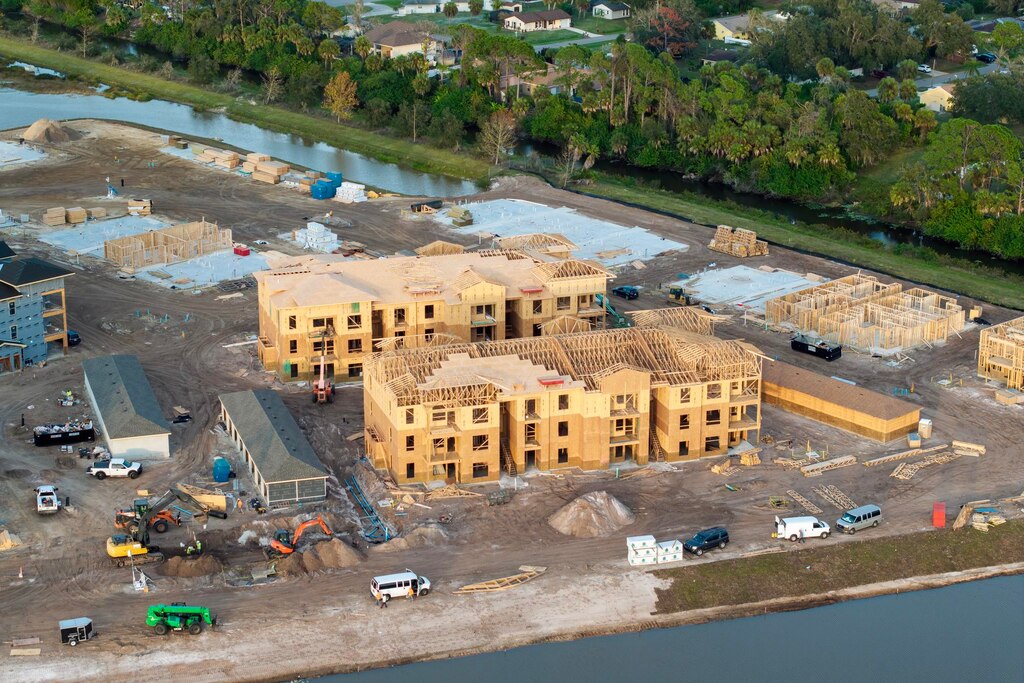
Apartment building construction Baghdad brings different challenges than villas because repetition and vertical logistics amplify both good and bad decisions. Standardised unit layouts can accelerate delivery when details are resolved early, but coordination issues spread defects quickly across multiple floors.
Vertical buildings also require stronger attention to fire and life safety, including compliant stairs, fire-rated shafts, smoke control strategies where applicable, and properly designed and installed fire systems. MEP risers become a central coordination point, and small misalignments can affect many floors, leading to expensive rework and tenant complaints after occupancy.
Handover expectations are typically higher: owners and operators often require structured documentation, testing records, and clear as-built information to manage the building. For delivery partners, the opportunity is to create speed through systemisation while keeping quality consistent across all units.
Quality and speed in multi-storey residential come from repeatable processes. Standard floor sequencing, pre-approved material schedules, and controlled mock-ups reduce decision time and help teams install with confidence. Early coordination workshops between structural, architectural, and MEP teams prevent common clashes around bathrooms, kitchens, risers, and ceiling zones. Rolling inspections and testing floor by floor also reduce late-stage correction costs. The goal is not only to finish construction, but to hand over a building that performs safely and consistently for residents.
Vertical construction logistics: cranes, access, and phasing
Vertical logistics can make or break a programme because delays in lifting, access, or material flow cascade across trades. Crane planning, hoist positioning, and loading zones should be designed around the programme, not added after the structure is already rising.
Limited street access and storage constraints are common in Baghdad, so phased deliveries and controlled staging areas are essential to avoid congestion and damage. Floor-by-floor sequencing works best when each trade knows exactly when it enters and exits a zone, and when prerequisites, cured slabs, tested sleeves, and approved shop drawings, are confirmed in advance. When logistics are planned as part of the construction method, the site maintains a steady rhythm and finish quality improves because work is done in organised conditions.
Handover readiness: testing, snagging, and documentation
Handover readiness should be built into the project from the start. The final weeks are too late to create missing records or fix systemic coordination gaps.
System testing includes functional checks and documented results for electrical systems, water supply and drainage, HVAC performance where applicable, and fire and life safety systems according to the approved design. Snagging should be structured and prioritised, with clear responsibilities and closure verification, so final cleaning and unit turnover are not constantly interrupted by rework. As-built drawings and O&M manuals help owners operate the building, plan maintenance, and respond to resident issues with confidence. A disciplined documentation package also protects delivery partners by showing that specifications and tests were completed as required.
Frequently Asked Questions Related to residential construction Baghdad
How do I verify a contractor’s capacity for residential construction in Baghdad?
Ask for specific, verifiable proof, not general statements. This usually includes a list of owned heavy equipment (and whether it is assigned to your project), current manpower counts by trade, and active project references in Baghdad that you can visit or validate through stakeholders. Request a baseline programme that includes procurement lead times, inspection hold points, and testing milestones (for concrete, waterproofing, and MEP). A contractor who can show how the schedule is controlled is typically more reliable than one who only promises a completion date.
What causes the most delays in villa construction Baghdad projects?
The most common delays come from decisions made too late. Design changes after structural work begins can trigger rework in slabs, openings, and MEP routing. Long-lead items, such as HVAC units, generators, specialty finishes, and sometimes elevators, often arrive after the installation window if they are not ordered early. Another major source of delay is selecting finishes based on catalogues without confirming availability in the Baghdad market, which forces substitutions and approval cycles. Strong coordination between architecture and MEP (especially in ceilings and wet areas) helps prevent rework that can quietly consume weeks.
Which contract model is best when hiring a residential building contractor Baghdad?
The best model depends on how complete and stable the design is. Lump-sum contracts fit projects with fully coordinated drawings and specifications, because the scope is clear and the contractor can price with less uncertainty. Unit-rate contracts can be effective when quantities are hard to confirm, often external works, utility interfaces, or site-related items, but they require careful measurement and documentation to avoid disputes. Cost-plus can work for early-stage or fast-track projects, but only when there is transparent reporting, clear approval rules, and milestones tied to deliverables such as completed slab cycles, passed tests, and agreed handover documents.
Should I plan for material import for residential construction Baghdad?
Material import is most useful when your project depends on products that are not reliably stocked in Iraq or when you need consistent brands across many units (for example, apartment blocks or large villa compounds). Import planning should start early so lead times do not become schedule-critical. A practical strategy is to pre-approve both the primary specified product and a small set of acceptable alternates that meet performance requirements, so the project is protected if stock availability changes. This reduces the risk of last-minute substitutions that affect quality, warranty, or installation compatibility.
What quality checks matter most before handover for apartment building construction Baghdad?
Prioritise checks that prove the building performs as designed and can be operated safely. This includes documented MEP testing (such as plumbing pressure tests, electrical testing, and HVAC functional checks where applicable), waterproofing tests in wet areas before tiling, and verification of fire and life safety systems aligned with the approved design. Snagging should be structured with clear ownership and confirmed closure, not informal lists that linger into occupancy. Finally, ensure as-built drawings and O&M manuals are complete and usable, because they are essential for operations teams to maintain the building and respond to resident issues effectively.