



General contracting in Iraq for EPC and main contractors
If you’re evaluating the fastest, most accountable way to build in Iraq, these are the essentials to know.
- General contracting in Iraq is ideal when you already have a design and want one party to run daily site execution, subcontractors, safety, and quality to deliver the finished works.
- It gives you flexibility to choose materials and vendors, while keeping clear site accountability for planning, sequencing, and supervision.
- To reduce risk, define early who owns design approvals, long-lead procurement, utility connections, and permits, because gaps here cause delays and claims.
- Shortlist based on evidence (legal status, HSE, QA/QC, financial capacity, past delivery), not price or marketing.
- If you need one contract for engineering, procurement, construction and commissioning readiness, compare an EPC model, but verify the contractor’s internal systems and local delivery plan.
These points work best when they are turned into a clear scope, a clear responsibility matrix, and a tender process that rewards real delivery capability, not optimistic promises.
For many investors and project owners, general contracting in Iraq is a practical way to turn a completed design into a finished, operational asset without carrying daily site risk internally. The right contracting model can reduce delays, tighten cost control, and create clearer accountability across construction activities and interfaces. In Iraq, that choice matters because permits, logistics, utilities, and site access can shift quickly, and projects succeed when execution is organized and locally grounded.
This article explains when general contracting is the best fit, how to shortlist partners you can trust, and what to verify when you evaluate EPC contractor Iraq and main contractor Iraq options. It also sets realistic expectations for Baghdad and other regions, and outlines how Aldhaman supports end-to-end delivery for large residential and commercial projects.
When to use general contracting in Iraq

A general contractor sits at the center of on-site delivery, coordinating trades, managing construction activities, and ensuring work is executed safely and to specification. In a typical structure, the owner provides design documents (or a separate designer does), then the general contractor builds, manages subcontractors, and delivers the completed works.
General contracting vs. EPC vs. main contractor (in practice)
This differs from an EPC model, where the contractor takes responsibility for engineering, procurement, and construction under one umbrella and is usually accountable for performance outcomes and commissioning readiness. A main contractor Iraq structure can look similar to general contracting, but the term often emphasizes direct control of site execution while design and procurement may be managed by the owner or other parties, depending on the contract.
| Model | Typical scope focus | Accountability emphasis |
|---|---|---|
| General contracting | Daily site execution, subcontractors, HSE, QA/QC, planning, sequencing, supervision | Clear site accountability; design and long-lead procurement only if explicitly included |
| EPC | Engineering + procurement + construction under one contract, with commissioning readiness planning | Single-point accountability for interfaces across design, procurement, and site execution (when internal systems are strong) |
| Main contractor | Direct control of construction execution and coordination; design and major procurement may be owner-managed or via nominated suppliers | Execution control while coordinating multiple parties to avoid interface gaps |
Best-fit scenarios for general contracting in Iraq
In Iraq, general contracting in Iraq is a strong fit when you already have a design, when you want flexibility in selecting materials and vendors, or when your project requires active owner involvement in decisions. It also fits well when scope changes are expected, because a general contracting structure can handle variations with a clearer process for pricing and approvals.
Buyers should expect the contractor to take charge of site planning, construction sequencing, daily supervision, safety management, and coordination with local authorities as needed. At the same time, you should be realistic: a general contractor typically cannot control engineering decisions or long-lead procurement unless those responsibilities are explicitly included in the scope.
Where schedules usually slip (and how to prevent it)
Schedule control is often the deciding factor. A well-run general contractor Iraq buyers can rely on can build a dependable baseline program, manage subcontractor performance, and drive recovery when delays occur. Still, the schedule will be influenced by design readiness, approvals, and material availability.
Because of this, define responsibilities and handoffs early: who owns final design approvals, who orders critical materials, who manages utility connections, and who provides temporary facilities. When those boundaries are clear, general contracting in Iraq becomes a disciplined delivery method rather than a loose collection of trades on site.
How to shortlist a general contractor Iraq can trust

Shortlisting in Iraq should be evidence-based and structured, not driven by price alone or by a polished company profile. A reliable general contractor Iraq procurement teams can depend on will show verifiable legal standing, consistent safety practice, and documented project controls, not just verbal assurances.
Ask for concrete proof: registration documents, audited financials where possible, sample method statements, and clear reporting formats. Also check how the contractor works with subcontractors, manages material flow to site, and handles variations without turning every change into a dispute.
Pass/fail requirements before commercial evaluation
Non-negotiables are easier to enforce when you define them as pass/fail items before commercial evaluation.
| Pass/fail requirement | What to request as proof |
|---|---|
| Legal registration and ability to contract in Iraq | Registration documents; tax and statutory compliance evidence |
| Project-specific HSE plan | HSE plan with toolbox talks, incident reporting, and site access control procedures |
| QA/QC system | Inspection test plans, material approvals process, snagging and handover documentation examples |
| Financial capacity suited to project size | Working capital evidence to sustain procurement and labor; audited financials where possible |
| References and past project evidence | Completion certificates, progress reports, and client contacts |
Once these basics are confirmed, commercial comparison becomes cleaner: you can judge pricing, program, and team strength without exposing the project to avoidable legal, safety, or quality risk.
Early red flags that usually become claims
Red flags are often visible in the first two meetings. If a bidder cannot define scope boundaries clearly, you will likely face claims later when responsibilities are disputed. Weak documentation is another warning sign: missing method statements, unclear resource plans, or generic schedules that do not reflect the site’s realities.
Finally, a contractor with no real local delivery depth may rely entirely on third parties for labor, equipment, and logistics, which increases risk when timing is tight. A practical check in Iraq is to visit active sites and meet the site manager who would actually run your project; this typically reveals more than a corporate presentation.
Evaluating EPC contractor Iraq partners
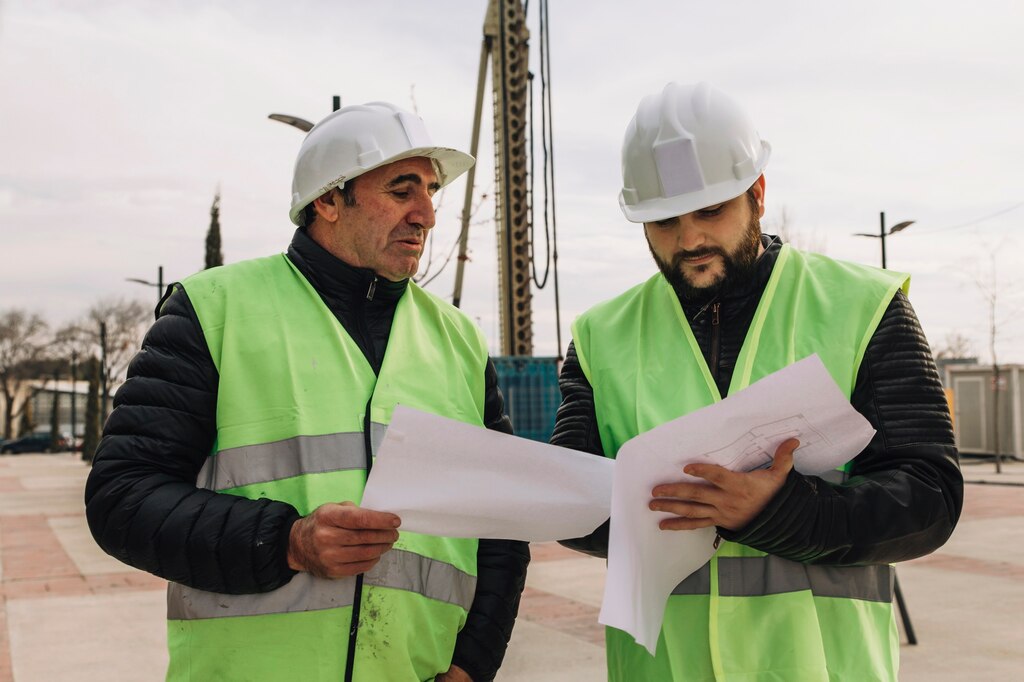
An EPC contractor Iraq partner can simplify accountability by owning engineering, procurement, and construction in a single contract, but only if the contractor’s internal systems are strong. The most common EPC failure is not technical capability. It is weak interfaces between design, procurement, and site execution, which leads to rework, late deliveries, and commissioning problems.
What to verify in EPC systems (beyond capability statements)
Buyers should verify that the EPC team has experienced discipline engineers, a controlled design review process, and a clear approach to managing vendor data and approvals. You also want to see transparent procurement, with vendor qualification criteria and inspection plans for critical equipment.
Commissioning readiness should be assessed early
Commissioning readiness should be assessed early, not at the end. EPC bidders should explain how they plan pre-commissioning checks, punch list closure, documentation turnover, and training. If the project includes MEP systems, generators, fire systems, or industrial utilities, ask for a commissioning philosophy and sample functional test procedures.
Also verify how the EPC contractor manages changes to vendor packages after purchase orders are issued, because uncontrolled vendor changes can damage schedule and performance.
Local execution in Iraq: the interface that makes or breaks EPC
In Iraq, EPC must connect smoothly with local execution realities, including permits, customs processes, transportation constraints, and utility interfaces. Engineering must reflect the actual site conditions, not assumptions copied from other countries, especially for soil, access roads, and utility availability.
Procurement must account for lead times and border processes, including packaging suitable for long-distance transport and storage. Construction planning must also consider site constraints such as limited laydown areas, traffic restrictions, and local authority requirements for working hours. The best EPC contractor Iraq partners can show how they manage these interfaces with a local delivery plan rather than treating them as external issues.
What to check in a main contractor Iraq

A main contractor Iraq arrangement usually places the contractor in direct control of construction execution and site coordination, while design and major procurement may be handled by the owner or nominated suppliers. This can work well when you want more control over key equipment choices or when you have established vendor relationships.
However, it demands strong site management because the main contractor must coordinate multiple subcontractors and nominated suppliers without letting responsibilities fall into gaps. The quality of supervision, daily planning, and reporting will directly determine whether the project stays predictable or becomes reactive.
How to judge reporting, change control, and claims behavior
Main contractor evaluation should focus on discipline and transparency. Look for structured progress reporting that links planned versus actual quantities, manpower, and production rates, not just percentage claims without evidence.
Change order management is another critical area: a good contractor will track variations as they occur, price them clearly, and keep the approval process moving to avoid end-of-project disputes. Claims discipline matters as well, because a contractor that treats every ambiguity as a claim will damage relationships and slow decision-making. A professional main contractor Iraq partner will propose clear communication routines, including weekly coordination meetings and agreed reporting templates.
Practical capacity checks that reduce delivery risk
Capacity proof should go beyond a company statement. Steps to verify capacity:
- Labor availability: confirm core teams are employed and mobilizable, and check workforce planning for peak periods.
- Equipment fleet: verify owned versus rented machinery, maintenance approach, and backup options for critical equipment.
- Schedule recovery: request a sample recovery plan showing how the contractor responds to delays with resequencing and added resources.
These checks help you predict how the contractor will behave under pressure, which is often more important than how they perform when everything goes smoothly.
Because Iraq projects can face sudden disruptions, resilience is part of capacity. A strong main contractor can maintain progress by managing alternative supply routes, resequencing work, and keeping critical path activities protected. Buyers should also ask how the contractor handles subcontractor performance, including onboarding, safety enforcement, and replacement if a subcontractor fails to deliver. When these controls are mature, the main contractor model can be efficient and cost-effective without sacrificing quality.
Contracting company Baghdad: local delivery realities
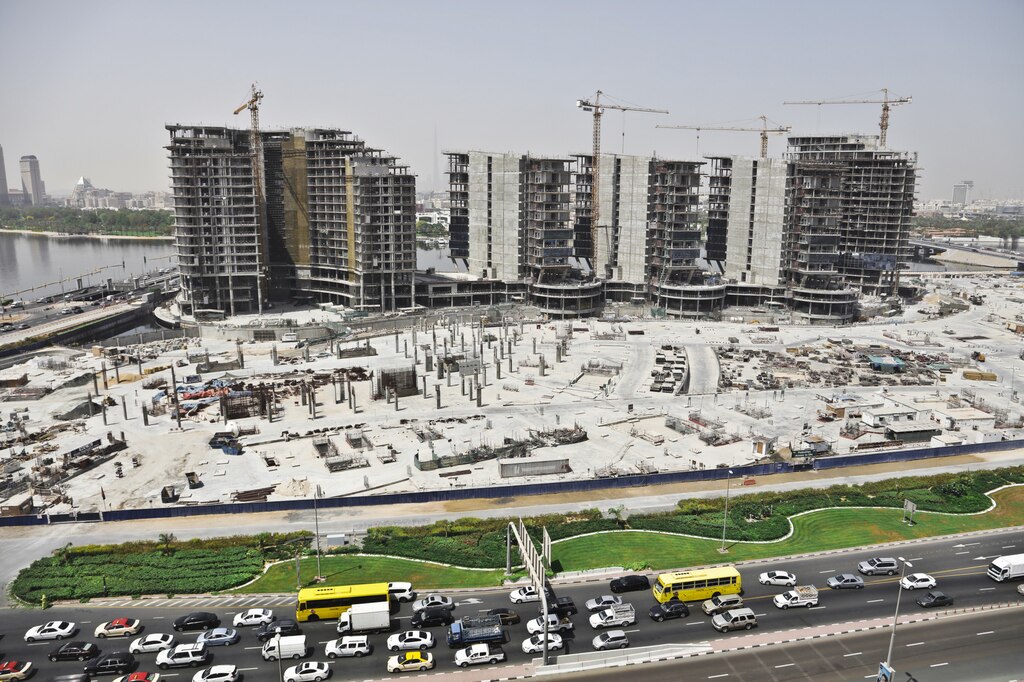
Selecting a contracting company Baghdad projects can rely on requires a clear view of local constraints that affect daily productivity. Access planning matters because traffic patterns, site entry controls, and neighborhood restrictions can limit deliveries and working hours.
Baghdad operations that affect time and productivity
Security planning is also part of practical site management, including controlled access, visitor procedures, and coordination with local stakeholders where needed. Approvals can take time, so experienced contractors build authority interactions into the schedule rather than treating them as afterthoughts.
Supply chain timing in Baghdad often depends on route planning, unloading capacity, and storage, which should be reflected in logistics and method statements.
Utilities: a common source of delays if not owned early
Utility coordination is another area where projects commonly lose time. Power, water, and telecom interfaces may require multiple steps and coordination with different entities, and temporary utilities may be needed to maintain progress.
A capable contracting company Baghdad teams can work with will plan temporary power solutions, water storage, and phased connections so that finishing works are not held back at the end. Good planning also includes managing neighbors and adjacent properties, especially for commercial sites where boundaries are tight. These details may sound operational, but they are often the difference between a smooth handover and extended delay.
Beyond Baghdad: regional planning is not just mobilization
For projects beyond Baghdad, regional differences must be treated as part of the delivery plan, not as a simple mobilization task. Mobilization can require different local sourcing options, different labor availability, and different logistics lead times.
Workforce planning should include accommodation, transport, and welfare facilities, especially where daily commuting is not practical. Local sourcing can reduce cost and lead time, but it requires QA/QC controls to ensure materials meet specification. A contractor with real Iraq-wide experience will be able to explain how it adapts execution plans by region while keeping reporting, safety, and quality standards consistent.
What Aldhaman delivers end-to-end
Aldhaman is built for investors and enterprise buyers who want dependable delivery and fewer coordination points. We provide general contracting in Iraq, project management, design support, material import, and real estate marketing for large residential and commercial developments, with practical site execution at the center of our approach.
Our focus is simple: build high-quality projects in Iraq and finish them on time, with clear accountability and disciplined controls. We work in a direct, professional way, because complex projects move faster when communication is straightforward and decisions are documented.
How integrated delivery reduces owner burden (without removing control)
End-to-end delivery means reducing the buyer’s operational burden without hiding information or limiting control. We can manage construction packages, subcontractors, and site logistics while keeping owners informed through consistent progress reporting and transparent issue tracking.
Where projects require imported materials, we support material import planning to reduce procurement delays and quality uncertainty, aligning submittals and approvals with the construction program. We also provide worker accommodation as part of site readiness, which improves productivity and reduces mobilization risk, especially for projects outside major centers. This integrated approach is designed to keep the project moving even when external conditions change.
Measurable capacity and execution standards
Our differentiators are practical and measurable. We own heavy machinery that supports earthworks, site preparation, and high-output construction activities without relying solely on rentals that may not be available when the market is tight. We also have more than 1,800 workers, which gives us real capacity to mobilize and sustain progress across multiple work fronts.
Just as important, we combine local Iraq experience with international standards in safety and quality, because owners should not have to choose between local execution strength and structured project controls. That balance helps protect schedule, reduce rework, and create a cleaner handover at completion.
Next step for procurement and project teams
If you are planning a new build or expansion and need a partner who can execute reliably in Baghdad or across Iraq, Aldhaman is ready to support your procurement and project teams. Share your project scope, timeline, and location, and we will respond with a clear delivery approach, realistic schedule assumptions, and the documentation you need for vendor evaluation.
We welcome site visits, technical discussions, and structured tender processes, because trust is earned through evidence and consistent performance. Contact Aldhaman to discuss how we can deliver your project with safety, quality, and on-time execution at the center.
Frequently Asked Questions Related to general contracting in Iraq

What does general contracting in Iraq typically include?
General contracting in Iraq usually focuses on construction execution and on-site management. That includes mobilization, site supervision, subcontractor coordination, safety (HSE) implementation, quality controls (QA/QC), daily planning, and delivery of the works shown on the issued drawings and specifications.
What it does not automatically include is ownership of design decisions, long-lead procurement, or final authority approvals unless those responsibilities are clearly written into the contract. To avoid delays, owners should confirm from the start who manages submittals, approvals, and procurement for critical materials and equipment.
How is a main contractor Iraq different from a general contractor?
In many projects the roles look similar, because both are responsible for running the construction site. In practice, “main contractor” often describes a contractor who controls execution while the owner retains more direct control over design and selected procurement, including nominated suppliers.
The main risk is interface gaps: if multiple parties supply equipment or materials, the main contractor must still coordinate installation readiness, access, inspections, and handover documentation. A strong main contractor will propose clear coordination routines (weekly meetings, interface registers, and reporting templates) so responsibilities do not fall between parties.
When should I choose an EPC contractor Iraq model instead of general contracting?
An EPC model is usually a better fit when you want a single contract and a single point of accountability for engineering, procurement, construction, and commissioning readiness, especially for complex facilities where performance and integration matter.
However, EPC only reduces risk when the contractor has strong internal controls across design, procurement, and site execution. During evaluation, ask to see how design reviews are managed, how vendors are qualified and inspected, and how commissioning and documentation turnover are planned. If those systems are weak, EPC can create delays and rework instead of simplifying delivery.
What are the biggest causes of delay for construction projects in Baghdad?
In Baghdad, delays often come from approvals and authority interfaces, logistics constraints (traffic, delivery windows, unloading and storage limits), and utility coordination. Even when the construction plan is strong, projects can lose time if temporary power and water are not arranged early, or if final connections are treated as an end-of-project task.
To reduce schedule risk, ask your contractor to show a logistics plan, a utility interface plan, and a realistic program that includes review and approval durations. A contractor that plans these items up front is usually more predictable during execution.
What documents should I request before awarding a general contracting package in Iraq?
Before award, request evidence that the contractor can legally contract and operate, and that they have working systems for safety, quality, and reporting. Typical requests include registration and compliance documents, an HSE plan tailored to your project, a QA/QC plan with inspection test plans, a baseline schedule with resource assumptions, and examples of progress reporting.
It also helps to request a method statement for a critical activity (for example, structural works or MEP installation) and a draft variation and change process. These documents show how the contractor will behave day to day, not just how they present themselves in a bid.