



Turnkey Construction in Iraq: End-to-End Delivery From Design to Commissioning
Here’s what “turnkey” should mean in practice when you are planning, pricing, or managing turnkey construction Iraq projects.
- One party owns delivery end to end: design coordination, procurement, construction, testing, commissioning, and handover.
- Clear scope boundaries: inclusions and exclusions, owner-supplied items, and interface points are written and measurable.
- Milestones tied to evidence: payments link to approved submittals, deliveries, inspections, and commissioning results, not estimates.
- Approvals and logistics are managed: authority submissions, imports, and site logistics are planned and owned by the contractor.
- Handover means “ready to operate”: as-builts, O&M manuals, training, and test records close out systems, not just the build.
These points are the practical definition of turnkey that protects schedules and reduces disputes. When they are written clearly into scope and milestones, everyone can manage delivery with fewer surprises.
In Iraq, speed and certainty matter as much as cost. Investors and delivery partners often work under tight timelines, complex logistics, and multi-party coordination that can quickly create gaps in responsibility. That is why turnkey construction Iraq is not just a contract style; it is a delivery mindset built around single-point accountability from design through handover. When “turnkey” is defined clearly, it reduces disputes, protects schedules, and makes commercial outcomes easier to control. This article explains what turnkey should include in the Iraqi market, how to structure scope and milestones, and how to evaluate a contractor’s real capacity to deliver.
What “turnkey” means in Iraq (and what it should include)
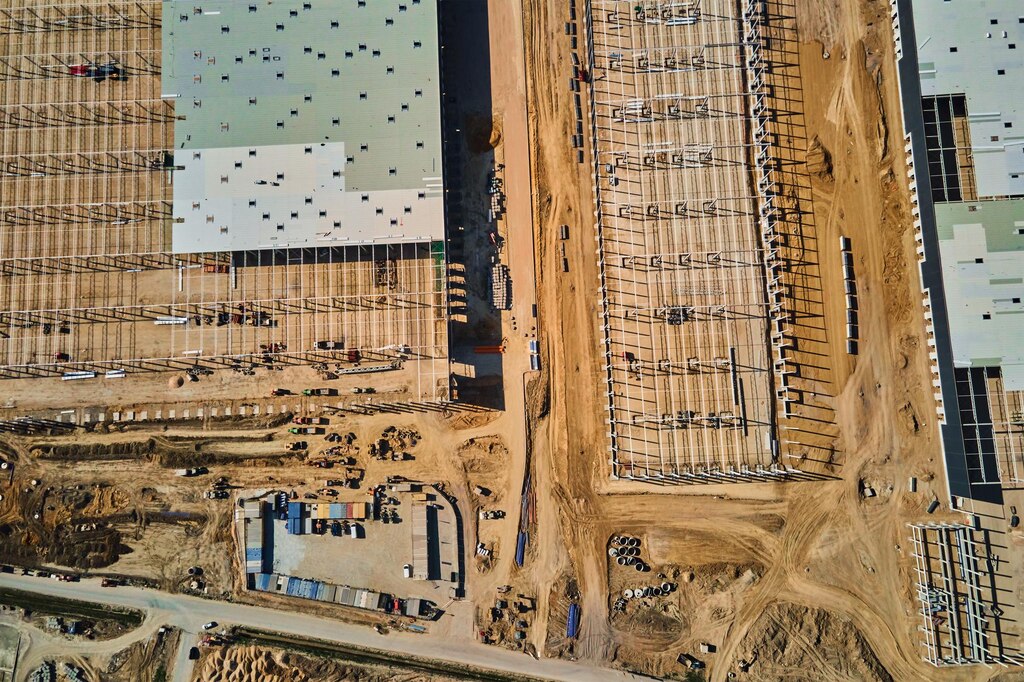
“Turnkey” in Iraq is often used loosely. Sometimes it means “we will build it.” Sometimes it means a true design-to-commissioning package, with one party carrying most execution risk. In a proper turnkey construction Iraq model, the client should be able to “turn the key” and start operating the facility with minimal additional work, documentation gaps, or unfinished testing.
This differs from partial EPC or a general contracting approach where design may be owned by the client, procurement may be fragmented, and commissioning is treated as an add-on. For channel partners and integrators, clarity on what turnkey includes is essential because unclear scope usually shows up later as change orders, delays, and interface disputes.
In practical terms, an end-to-end construction Iraq scope typically combines design coordination, procurement, construction, testing, commissioning, handover documentation, and early operations support. Iraq projects frequently require strong management of authority approvals, imports, and site logistics. A turnkey building contractor should be ready to own these workstreams instead of pushing them back to the owner. A credible turnkey approach also defines measurable deliverables, acceptance criteria, and a handover process aligned with real operational needs. This is the difference between “construction finished” and “facility ready.”
Turnkey vs. general contracting in practice
The simplest way to separate a real turnkey contract from general contracting is to ask who owns the risk. In true turnkey delivery, the contractor carries the design coordination risk, procurement risk, permits and approvals management, and schedule integration across trades.
Under a general contracting model, the owner may provide designs, nominate suppliers, manage approvals directly, or split packages among multiple parties. That can work, but it increases coordination pressure on the owner and makes it easier for delays to be blamed on interfaces.
For partners bundling services into larger programs, the difference affects everything from pricing to liability. If it is truly turnkey, the contractor should control material substitutions, manage long-lead equipment planning, and coordinate authority submissions with documented approvals. The owner’s role becomes decision-making and timely sign-offs, not daily problem-solving between designers, suppliers, and subcontractors. When contracts claim “turnkey” but keep design, permits, or key procurement outside the contractor’s scope, the result is often a hybrid model. Hybrid models can work, but they need stronger interface management to avoid schedule drift.
| Model | Typical owner responsibilities | Typical contractor responsibilities | Common pressure point |
|---|---|---|---|
| True turnkey delivery | Decisions and timely sign-offs | Design coordination, procurement timing, permits and approvals management, schedule integration across trades | Contract must define measurable deliverables and acceptance to prevent turnkey in name only |
| General contracting | May provide design, nominate suppliers, manage approvals, or split packages | Construction execution for defined packages, often with more interfaces | Higher interface risk and coordination workload; delays often blamed on interfaces |
| Hybrid model (turnkey with gaps) | Keeps design, permits, or key procurement outside contractor scope | Builds and coordinates parts of delivery, but not end to end | Needs stronger interface management to avoid schedule drift and disputes |
Typical turnkey scope: design, procurement, construction, commissioning
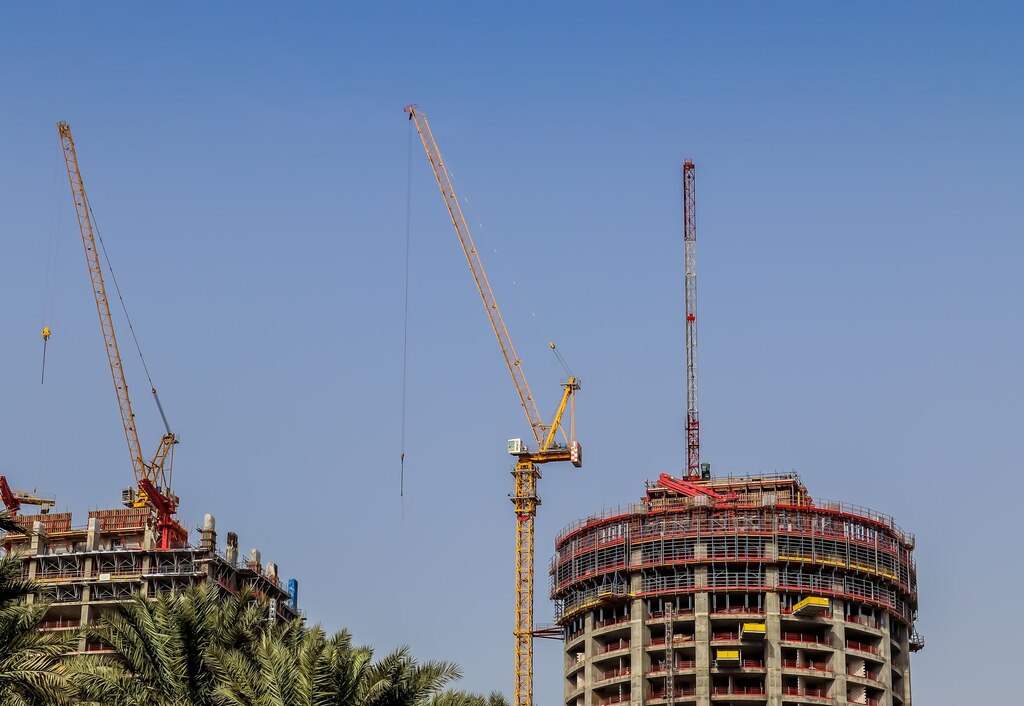
A standard turnkey project Iraq package is usually organized by phases so responsibilities stay clear as the project evolves.
Phase 1: Pre-construction and design coordination
During pre-construction, the focus is design coordination, budgeting, schedule planning, and authority alignment. This is where constructability, scope clarity, and approvals readiness are established. If the baseline is incomplete, the project may move fast early but slow down later due to rework and late approvals.
Phase 2: Procurement, logistics, and long-lead tracking
During procurement, the focus shifts to sourcing strategy, submittals, logistics, and long-lead tracking. Iraq conditions often make import timing and documentation as critical as purchasing decisions, especially for MEP systems and specialist equipment.
Phase 3: Construction execution with QA/QC and HSE controls
Construction becomes a managed sequence of civil, structural, architectural, and MEP works with QA/QC gates and HSE discipline. Productivity depends on stable labor, available equipment, and a site plan that supports flow across multiple workfaces.
Phase 4: Testing, commissioning, and handover
Commissioning and handover convert installed systems into operational systems through testing, documentation, and training. The goal is operational readiness, not just physical completion.
What is “normally bundled” depends on the contract, so it must be stated. Many turnkey offers include core construction and standard testing but exclude temporary utilities, certain authority fees, fit-out scope, specialist systems, or client-supplied equipment unless listed explicitly.
At Aldhaman, we support delivery with integrated project management, owned heavy machinery, a large workforce capacity, and the practical enablers that often decide outcomes in Iraq: accommodation planning, logistics control, and material import support. This combination reduces reliance on last-minute rentals and short-notice labor, which helps protect both schedule and quality.
Design management and authority approvals
Design management in Iraq is not just drawing production. It is coordination, constructability, and approvals readiness. A turnkey building contractor should run design coordination meetings, resolve clashes between architecture, structure, and MEP, and convert design intent into shop drawings that can be built and inspected.
Authority submissions require disciplined documentation, correct stamps, and a clear trail of revisions and approvals. When this process is weak, projects face stop-start execution, rework, and delayed inspections.
In practice, approvals readiness means having a complete documentation package: coordinated drawings, method statements where required, material submittals, and inspection and test plans aligned to the project’s quality system. It also means tracking approvals as a schedule item, not an administrative afterthought. For delivery partners, this reduces downstream interface risk because subcontractors and suppliers work to approved baselines, and site teams build once rather than rebuilding after late comments. Clear design management is one of the fastest ways to stabilize cost and timeline on complex developments.
Procurement, imports, and long-lead items
Procurement in Iraq often includes import planning, customs timing, supplier reliability checks, and substitution controls. Long-lead items such as elevators, switchgear, generators, chillers, fire pumps, and specialty finishes can decide the critical path even when civil works are progressing well.
A strong turnkey contractor builds a procurement schedule that matches the construction sequence, locks technical submittals early, and tracks manufacturing and shipping milestones. Without this discipline, projects experience site stoppages, rushed installation, and inconsistent quality due to last-minute substitutions.
Sourcing strategy should balance availability, compliance, and lifecycle performance, not only the lowest purchase price. Substitutions must be controlled through a formal approval process so performance requirements are protected and warranties remain valid. Aldhaman’s material import capability supports planned procurement and stock availability when the market is tight, while keeping documentation and traceability in order. For channel partners, this integrated approach improves fulfillment speed and reduces the risk of partial delivery that leaves systems incomplete at commissioning.
Scope boundaries and contract structure for a turnkey project Iraq

Most disputes in turnkey projects come from scope boundaries, not from construction effort. When inclusions and exclusions are vague, each party assumes the other is responsible. The result is delays followed by expensive change orders.
A turnkey project Iraq contract should clearly define interface points: what the contractor delivers, what the owner supplies, and where third-party specialists begin and end. This is especially important when partners bundle Aldhaman into a larger program with multiple subcontract packages and overlapping scopes.
To keep control, the scope should be locked through a scope matrix and a detailed deliverables list. This creates a shared reference that can be checked during execution and used to validate progress payments. It also reduces scope creep, where small, unpriced items gradually expand until the commercial relationship becomes strained. The goal is not to avoid change, but to make changes transparent, priced, and approved before work proceeds.
Key scope checkpoints to lock early
- Inclusions and exclusions for civil, architectural, and MEP works, including temporary works and testing requirements.
- Owner-supplied items (OSIs) and nominated subcontractors, including who manages delivery, storage, installation, and warranties.
- Interface points with utilities, authorities, and third-party inspectors, including responsibility for submissions and follow-up.
- Commissioning boundaries, training obligations, and early operations support period, if required.
| Checkpoint | What must be defined in writing | Why it matters |
|---|---|---|
| Inclusions and exclusions (civil, architectural, MEP) | Temporary works and testing requirements included or excluded | Prevents gaps that become delays and change orders |
| Owner-supplied items (OSIs) and nominated subcontractors | Who manages delivery, storage, installation, and warranties | Reduces interface disputes and protects commissioning readiness |
| Utilities, authorities, third-party inspectors interfaces | Responsibility for submissions and follow-up | Stabilizes inspections and approvals timing |
| Commissioning boundaries and training, early ops support | System boundaries, training obligations, and any early operations support period | Makes handover ready to operate, not just construction finished |
When these checkpoints are agreed early, the project team can plan procurement, inspections, and commissioning without relying on assumptions. This is also where many turnkey misunderstandings are solved before they become claims.
Deliverables matrix and acceptance criteria
A deliverables matrix defines what “done” means, in writing, so handover is measurable rather than subjective. In Iraq, practical acceptance depends on more than visual completion. It includes test results, authority sign-offs, and documentation that allows operators to maintain the asset.
A good deliverables matrix lists each deliverable, the responsible party, the submission timing, and the acceptance standard. It also links each deliverable to the relevant system or area so nothing gets missed during phased handovers.
Typical acceptance criteria include testing records, as-built drawings, operation and maintenance manuals, training records, spares lists, and handover certificates. If these items are not specified from day one, they will be rushed at the end, and the owner’s facility team will inherit uncertainty. For channel partners, this matters because incomplete documentation can delay occupancy, tenant fit-out, or operational licensing. A disciplined matrix turns handover into a controlled process rather than a stressful negotiation.
Payment milestones tied to measurable outputs
Payment structure is a risk control tool when it is linked to verified, measurable outputs. In turnkey construction Iraq delivery, milestones should reflect real progress across procurement and installation, not only percentage estimates.
This protects the owner from paying too far ahead and protects the contractor from cash-flow pressure that can reduce performance. It also helps partners compare bids fairly because each bidder is priced against the same measurable checkpoints.
Milestones can be tied to procurement releases, deliveries to site with documentation, completion of defined areas, and successful testing and commissioning. The key is to require evidence: approved submittals, inspection reports, and test certificates. When milestones are aligned to the deliverables matrix, commercial management becomes simpler and disputes become less frequent. This is especially important in multi-party projects where integrators need predictable payment triggers to manage subcontractors.
Risk checkpoints: how to evaluate a turnkey building contractor

Choosing a turnkey building contractor in Iraq requires more than reviewing a company profile. Partners should verify execution capability, resource depth, QA/QC systems, HSE discipline, subcontractor control, and reporting practices.
The contractor’s ability to manage logistics, mobilize quickly, and maintain productivity through weather, market shortages, and permit cycles is often the real differentiator. Due diligence should focus on proof points that can be checked, not promises.
Due diligence checklist
- Capability evidence: relevant completed projects, similar scale, and referenceable performance on schedule and handover quality.
- Resources: owned equipment, workforce scale, supervision structure, and the ability to mobilize without relying on short-term rentals.
- Systems: QA/QC plans, inspection and test plans, HSE procedures, and document control with clear revision tracking.
- Controls: subcontractor qualification, method statement discipline, weekly reporting cadence, and change management process.
This checklist helps separate marketing claims from delivery capacity. It also gives partners a consistent structure for comparing contractors across different project packages.
Capacity proof: machinery, labor, and mobilization speed
In Iraq, capacity is not an abstract concept. It determines whether a site moves every day or waits for resources. Contractors who depend heavily on rentals can face shortages, price spikes, and scheduling conflicts, particularly during peak market periods. Owned heavy machinery improves reliability because equipment allocation is planned internally and maintenance standards are controlled. Labor capacity matters just as much, especially when projects require parallel workfaces and fast recovery from delays.
Aldhaman’s differentiator is practical delivery capacity: we operate with our own heavy machinery and a workforce of 1,800+ workers. This scale supports faster mobilization, stable productivity, and better control of workmanship because teams are trained under consistent standards. For partners managing multiple sites or phased programs, this reduces dependency risk and improves schedule confidence. It also supports realistic acceleration plans when the project timeline tightens.
Site logistics and worker accommodation planning
Site logistics can quietly decide project performance, especially on remote sites or large township developments. If transport is unreliable or accommodation is not ready, attendance drops, productivity declines, and safety risks increase.
A serious turnkey construction Iraq approach plans camp setup, welfare, utilities, and transport routes early, then maintains them as operating systems. This keeps labor focused on production rather than coping with daily disruptions.
Accommodation readiness also protects quality because stable teams stay on site and follow consistent supervision. It improves safety outcomes by reducing fatigue and unmanaged travel risks. For partners, it is a commercial advantage because predictable productivity supports predictable delivery dates and fewer claims. Aldhaman includes worker accommodation planning as part of the practical backbone needed to deliver end-to-end construction Iraq scope reliably.
Delivery approach for turnkey residential projects Iraq and commercial builds
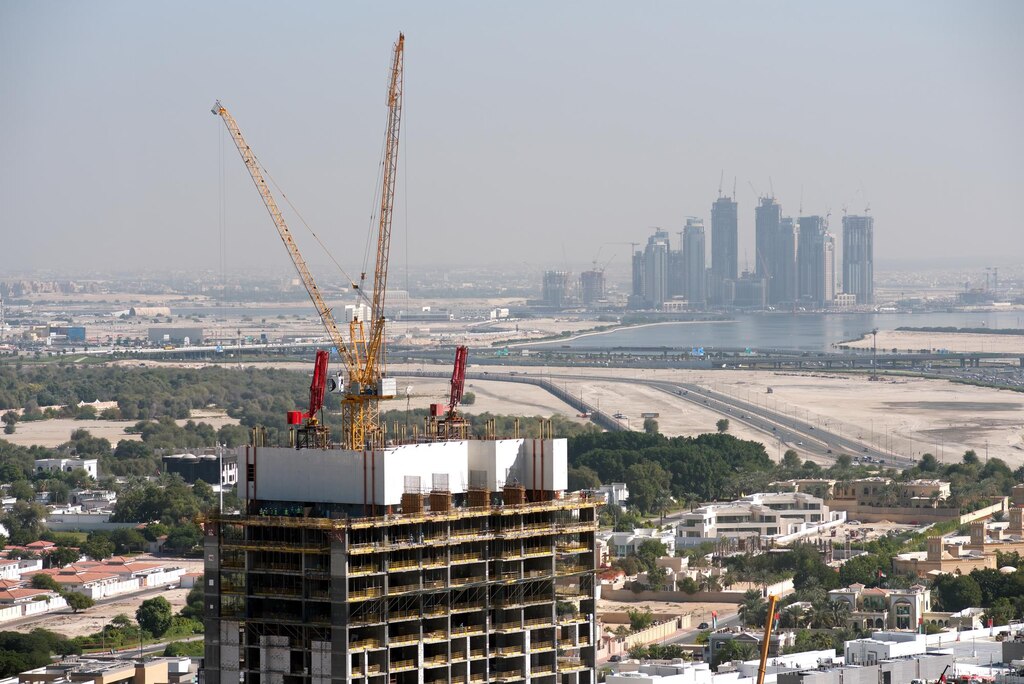
Residential and commercial assets share core construction disciplines, but execution priorities are different.
Residential projects typically require high repetition, unit-by-unit quality control, defect management, and organized handover documentation for many individual units. Commercial builds often carry higher MEP complexity, more integrated systems, and stricter commissioning sequences tied to tenant or operator timelines. In both cases, success depends on coordination between design intent, procurement timing, and installation quality.
Aldhaman supports consistent delivery across asset types by combining construction, project management, and material import under one operational model. This reduces gaps between planning and execution, especially where long-lead items and finishing materials can disrupt progress. For channel and delivery partners, integrated services also make packaging easier because scope interfaces are clearer and fewer parties need to be managed. The result is a delivery model that is simpler to control, even when the project is complex.
Residential handover readiness and defect management
Residential handover should be treated as a structured production process, not a final rush. A good approach starts snagging early, progresses by zones or blocks, and closes defects before the final handover window. Unit-by-unit testing is essential for plumbing, electrical safety, waterproofing, and HVAC performance where installed. Handover packs must be consistent so owners and residents receive the same standard of information across units.
Warranty response expectations should also be defined in advance, including timelines for critical issues and a clear process for reporting and access. This protects the investor’s reputation and reduces operational friction after occupancy. For turnkey residential projects Iraq, disciplined defect management is one of the clearest indicators of whether a contractor is building for handover quality or only for completion photos. Partners benefit because smoother handovers reduce downstream support costs and improve client satisfaction.
Commercial commissioning and operational continuity
Commercial projects often succeed or fail at commissioning. Systems must be tested in the correct sequence, and integrated testing is required where fire life safety, power, HVAC, BMS, and emergency systems interact. Phased handover is common, especially when tenants need access for fit-out or when an operator must begin staffing before the entire building is complete. If commissioning is not planned early, the project can appear finished while still being unusable.
A turnkey contractor should provide clear commissioning plans, test scripts, and responsibility matrices that show who witnesses tests and what documents close each system. Operational continuity matters because delays can affect tenant openings, staffing, and revenue. For partners, a structured commissioning approach reduces last-minute coordination chaos between specialist subcontractors and authorities. It also makes acceptance objective, based on test results rather than opinions.
Partner-ready coordination: how Aldhaman supports channel and delivery partners

Channel and project delivery partners need more than execution. They need a contractor who can fit into a larger delivery ecosystem with clear scope splits and predictable reporting. Aldhaman supports partners by packaging services into well-defined subcontract scopes, fast fulfillment through import planning, and disciplined interfaces that reduce rework. This helps distributors, resellers, contractors, and integrators build complete offers without carrying execution gaps they cannot control. The goal is simple: make delivery easier to manage, not harder.
To compare turnkey offers fairly, partners should request consistent information in the RFQ so pricing and scope can be evaluated transparently.
RFQ checklist for turnkey construction Iraq
- Scope matrix with inclusions and exclusions, owner-supplied items, and defined interface points.
- Deliverables list and acceptance criteria, including as-builts, O&M manuals, training, spares, and handover certificates.
- Baseline schedule with long-lead procurement plan and mobilization timeline.
- Resource plan showing machinery availability, workforce scale, accommodation plan, QA/QC and HSE approach, and reporting cadence.
This RFQ structure makes proposals easier to compare and reduces the chance of hidden gaps that only appear during execution. It also supports cleaner subcontract packaging when multiple parties share delivery.
Fast fulfillment through integrated sourcing and import
Fast fulfillment is not only about buying materials quickly. It is about planning approvals, substitutions, and delivery timing so the site never waits. Integrated sourcing and import support helps stabilize stock availability when local markets fluctuate. It also supports technical compliance by aligning procurement with approved submittals and design requirements.
When procurement is controlled, installation teams can maintain rhythm and quality instead of adapting to whatever arrives next. For partners, this reduces uncertainty when bundling Aldhaman into broader programs. It becomes easier to commit to timelines because procurement risk is actively managed rather than left to chance. It also makes cost control more realistic because last-minute premium purchases are reduced. In Iraq conditions, this discipline is often the difference between a smooth commissioning and an extended punch-list period.
Clear interfaces for integrators and subcontractors
Multi-party delivery succeeds when responsibilities are written, measurable, and supported by steady communication. Clear interfaces define where Aldhaman’s scope ends and where an integrator’s or specialist subcontractor’s scope begins, including QA/QC handoffs and inspection points. A consistent reporting cadence helps partners track progress, risks, and decisions without relying on informal updates. This reduces rework because issues are identified early, when fixes are small and inexpensive.
Quality handoffs are especially important at boundaries like penetrations, equipment bases, power and controls integration, and fire stopping. When these interfaces are planned, commissioning becomes faster and defects decline. For partners, the benefit is practical: fewer disputes, fewer delays, and a clearer path to acceptance and payment. If you are preparing a turnkey project Iraq package and want a contractor that brings capacity, transparency, and reliable fulfillment, Aldhaman is ready to coordinate. Reach out to discuss your scope, timelines, and the best structure for a clean, controllable delivery.
Frequently Asked Questions Related to Turnkey Construction in Iraq
What is included in turnkey construction Iraq?
In a proper turnkey construction Iraq package, one contractor takes accountability from design coordination through procurement, construction, testing, commissioning, and handover. What is included should be confirmed in writing using a scope matrix and deliverables list, because exclusions are common, for example some authority fees, specific specialist systems, fit-out portions, or owner-supplied equipment. The practical test is whether the facility is handed over ready to operate, with complete as-builts, O&M manuals, training records, and commissioning evidence.
How is turnkey different from EPC or general contracting in Iraq?
The difference is mainly about risk ownership and interfaces. In true turnkey delivery, the contractor manages design coordination risk, procurement timing, authority approvals management, and schedule integration across trades. In a general contracting model, the owner may keep design responsibility, nominate suppliers, or split packages among several contractors, which increases interface risk and coordination workload. EPC is often used for industrial or energy projects; it can be close to turnkey, but the real distinction is still the contract scope and whether commissioning and handover obligations are defined as measurable deliverables.
What should payment milestones look like for turnkey construction Iraq projects?
Milestones work best when they are tied to verified outputs rather than percentage estimates. For example, payments can be linked to approved submittals, delivery of long-lead equipment to site with documentation, completion of defined areas with inspections passed, and successful system testing and commissioning results. This structure protects the owner from paying ahead of actual progress and helps contractors maintain healthy cash flow without cutting corners. Aligning milestones to the deliverables matrix also reduces disputes during valuation and closeout.
Which risks most commonly cause disputes in turnkey projects in Iraq?
The most common disputes come from unclear scope boundaries: inclusions and exclusions, owner-supplied items, and responsibility for approvals, utilities interfaces, and third-party inspections. Procurement and logistics are another frequent pressure point, especially when long-lead items are not planned early or substitutions are made without a formal approval path. Finally, commissioning is often underestimated; projects may appear complete but remain unusable if integrated testing, documentation, and training are not contractually defined and scheduled from the start.
How can I evaluate if a contractor is truly capable of end-to-end delivery in Iraq?
Capability should be proven with evidence, not brochures. Look for referenceable completed projects of similar scale, and check whether handover was achieved with complete documentation and commissioning records. Confirm resource depth: owned equipment, stable workforce, supervision structure, and the ability to mobilize without relying heavily on short-term rentals. Review the contractor’s QA/QC and HSE systems, document control discipline, including revision tracking, and their reporting cadence. A contractor that can show a realistic procurement plan, approvals plan, and commissioning plan is generally better positioned to deliver turnkey outcomes.