


Best Construction Service in Baghdad for Residential and Commercial Projects
Learn how to choose the Best Construction Service in Baghdad by evaluating safety, quality controls, schedule reliability, delivery capacity, and transparent reporting—so B2B projects finish on time with fewer risks.
- Define “best” with measurable controls: a real HSE system, documented quality processes, schedule discipline, and commercial transparency—not marketing claims or lowest price.
- Compare construction companies in Baghdad using evidence: licensing, HSE routines, sample ITPs/test records, subcontractor controls, and a weekly reporting cadence with clear escalation paths.
- Verify delivery capability before award: manpower depth, owned vs rented equipment, procurement plans for long-lead items, and cashflow discipline to prevent stoppages and rework.
- Match contractor strengths to project type: residential construction in Baghdad demands consistent finishes and snagging discipline; commercial construction in Baghdad needs stronger MEP coordination, commissioning, and audit-ready documentation.
- Lock in reliability at contract stage: require a logic-linked baseline program, clear change-order rules, and executive-level weekly reporting that covers progress, risks, procurement, HSE, quality, and cost vs budget.
If you are searching for the Best Construction Service in Baghdad, focus on what reduces risk and keeps delivery predictable across real sites in Baghdad’s districts and growth areas.
- Choose proof over promises: ask for recent project records (weekly reports, ITPs, test results, HSE logs), not only a company profile.
- Prioritize safety, quality, and schedule controls: the “best” contractor runs daily systems that prevent incidents, defects, and delays.
- Verify delivery capacity: confirm manpower depth, owned versus rented equipment, procurement planning, and cashflow discipline.
- Match capability to your project type: residential requires repeatable finish quality; commercial requires stronger MEP coordination, commissioning, and documentation.
- Demand commercial transparency: clear BOQs, inclusions/exclusions, change-control rules, and consistent executive-ready reporting.
Use these points as a fast screening tool to remove high-risk bidders early and shortlist contractors that can prove performance on active Baghdad sites.
For enterprise and mid-market buyers, choosing the Best Construction Service in Baghdad is not about a polished brochure or the lowest tender number. It is about predictable delivery in a city where timelines, supply chains, and site conditions can change quickly. Your contractor must protect safety, control quality, and manage cost and schedule with clear reporting that stands up to investor scrutiny. When you select well, you reduce rework, avoid stoppages, and keep decision-making straightforward across stakeholders. This article explains what “best” should mean for B2B projects and how to compare construction companies in Baghdad in a practical, no-nonsense way.
What “Best Construction Service in Baghdad” Should Mean for B2B Buyers
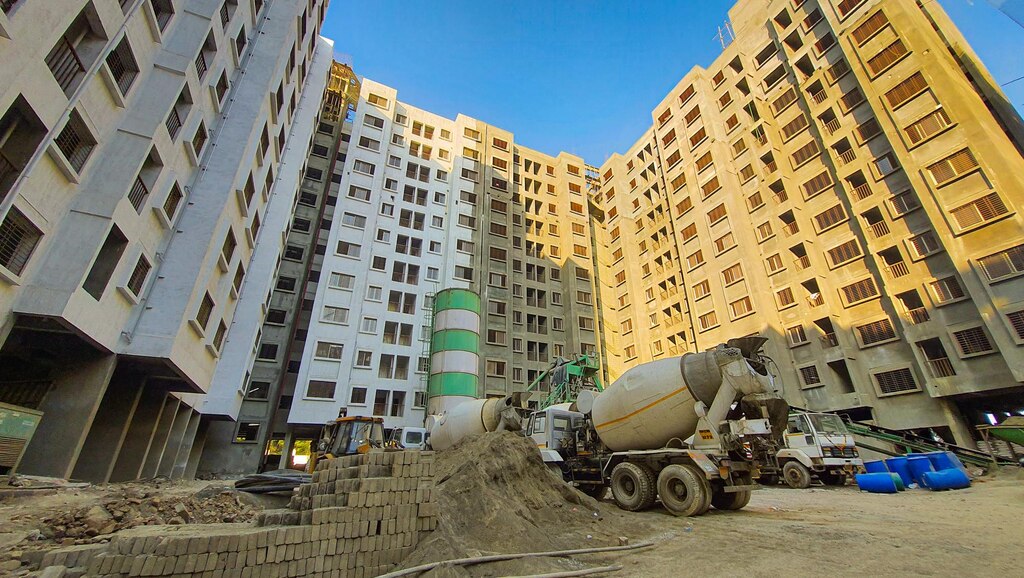
For B2B buyers, “best” should be defined by measurable controls, not marketing claims. Start with safety performance and a real HSE system, because one serious incident can stop work, trigger investigations, and damage your brand. Next is schedule reliability: the best contractors plan properly, update the programme, and make decisions early to prevent delays rather than explain them later. Quality controls matter just as much, especially when projects must meet tenant expectations, healthcare standards, or long-term maintenance requirements. Finally, commercial transparency is critical: you want clear BOQs, clear inclusions and exclusions, and a project team that tracks cost and progress in a way your finance team can trust.
“Best” also depends on fit for your project scale and risk profile. A contractor that performs well on a single small building may not be ready for multi-site builds, phased handovers, or facilities that require continuous operations. For warehouses, clinics, and mixed-use developments, coordination across disciplines is where many projects fail: structure, MEP, finishes, and external works must align with procurement and inspections. You should assess whether the contractor has the systems and depth to run multiple crews, multiple subcontractors, and multiple work fronts without losing control. In Baghdad, a strong local delivery base combined with disciplined project management is usually the difference between on-time completion and constant firefighting. This is the real standard behind the Best Construction Service in Baghdad.
How to Compare Construction Companies in Baghdad (A Practical Checklist)

When comparing construction companies in Baghdad, treat selection as risk management. You are not only buying concrete and steel; you are buying the contractor’s ability to plan, document, coordinate, and communicate under pressure. Ask for evidence, not promises, and look for consistency between what they submit and what they can explain in person. A serious contractor will be comfortable sharing templates, sample reports, and records from completed projects, with sensitive details removed where needed. If they avoid documentation or rely on verbal assurances, you should assume you will carry the risk later.
| Evaluation area | What to ask for / verify | Why it matters |
|---|---|---|
| Licensing & legal compliance | Registration, relevant approvals, ability to contract and invoice properly for your Baghdad project type | Reduces legal and commercial risk; prevents contracting and invoicing issues |
| HSE system | HSE plan structure, toolbox talk routine, incident reporting, site supervision coverage | Prevents incidents and stoppages; protects people and brand reputation |
| Quality documentation | Sample ITPs, inspection requests, material submittal logs, test reports | Shows real site control and traceability; reduces defects and rework |
| Subcontractor control | Prequalification approach, method statement enforcement, interface management | Improves coordination and accountability across multiple trades |
| Reporting cadence | Weekly progress updates, cost tracking, escalation path for decisions and risks | Keeps stakeholders aligned and decisions timely; supports governance |
This checklist is designed to reveal whether controls exist in day-to-day site execution, not only inside a tender submission. It also makes it easier to compare bidders fairly because you are reviewing the same categories across every contractor.
Delivery capability is the second half of the picture, and it is where many bids look strong on paper but fail on site. Manpower depth matters because productivity drops when a contractor is forced to rotate small teams across multiple activities. Equipment matters because renting everything increases dependency on availability, pricing swings, and downtime. Procurement planning matters because late materials trigger rework, temporary fixes, and trade stacking that damages quality. Cashflow discipline matters because subcontractors and suppliers cannot maintain performance if payments are late, and stoppages are expensive for everyone involved.
To verify delivery capability, ask how the contractor will staff the project, what equipment is owned versus rented, and what the procurement schedule looks like for long-lead items. Request a high-level cashflow plan tied to progress, because even a capable contractor can struggle if the project is underfunded or payment milestones are unclear. Also confirm how they will handle import needs when local supply is limited in Baghdad, especially for specialised MEP items, medical-grade finishes, or industrial components. A contractor that can explain these points clearly is far more likely to meet the expectations behind the Best Construction Service in Baghdad.
Capability by Project Type: Residential Construction in Baghdad vs Commercial Construction in Baghdad
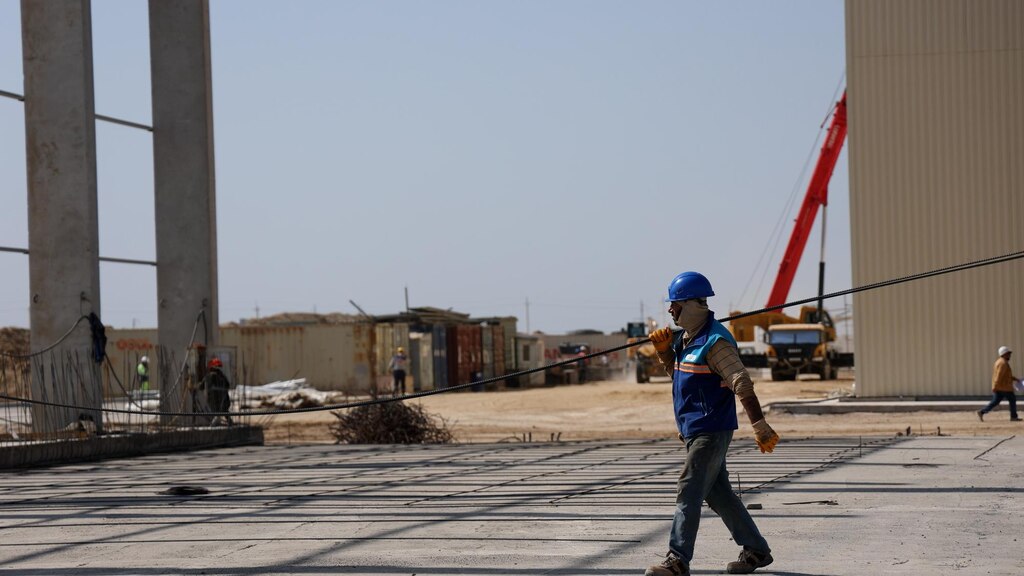
Residential construction in Baghdad and commercial construction in Baghdad can look similar from a distance, but they require different strengths in planning and execution. Residential work typically depends on consistent finishes, tight coordination between architectural details and MEP rough-ins, and efficient repetition across units. Buyers and residents notice defects quickly, so snagging and handover discipline must be strong. Commercial projects, on the other hand, often have heavier MEP complexity, more demanding occupancy and operational requirements, and stricter commissioning needs. Many commercial facilities also require clearer documentation for audits, insurance, and long-term maintenance.
For villas, compounds, and township phases, the most common risks are weak coordination, late design decisions, and inconsistent workmanship across multiple crews. You want a contractor that can manage repetitive work at scale without losing quality, and that can plan infrastructure, roads, utilities, and external works alongside buildings. For warehouses, offices, healthcare, and industrial facilities, the risk shifts toward technical compliance and operational readiness. Power distribution, fire systems, HVAC performance, and specialist rooms cannot be treated as afterthoughts, and commissioning must be planned from the start. The right contractor is the one whose strengths match your use case, not the one who claims they can do everything equally well.
| Project type | Execution strengths needed | Common risks to manage |
|---|---|---|
| Residential construction in Baghdad | Consistent finishes, coordination between architectural details and MEP rough-ins, efficient repetition across units, disciplined snagging and handover | Poor coordination, late design decisions, inconsistent workmanship across multiple crews |
| Commercial construction in Baghdad | Stronger MEP coordination, stricter commissioning, documentation readiness for audits, insurance, and maintenance, operational compliance | Technical compliance gaps, weak operational readiness, MEP/fire/HVAC performance issues when commissioning is not planned early |
Site Logistics and Execution Readiness in Baghdad
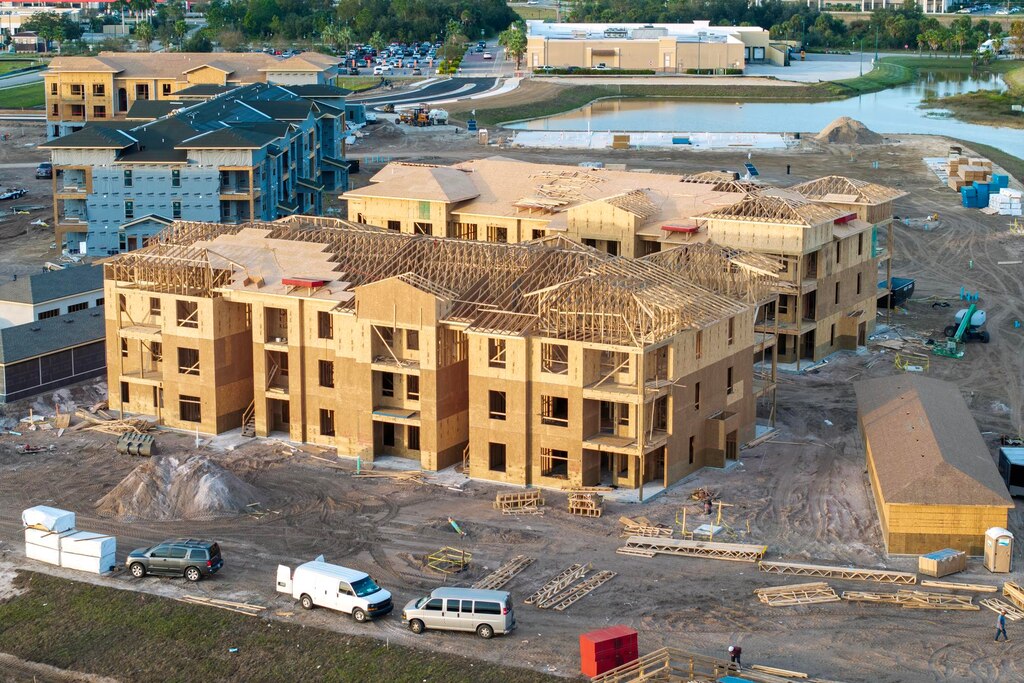
In Baghdad, site logistics often determines whether a project runs smoothly or becomes a daily struggle. Site access, traffic planning, and delivery windows should be planned early to reduce congestion and unsafe movement of people and equipment, especially when working in busy corridors and near active commercial areas. Storage and material handling are just as important, because poor storage damages materials and leads to waste, reordering, and delays. Temporary utilities, including power, water, lighting, and communications, must be reliable or productivity will drop and quality will suffer. Good sequencing reduces downtime and rework by ensuring that trades work in a logical order with clear handoffs and inspections between them.
Execution readiness also means being realistic about what it takes to mobilise. A capable contractor can show you a mobilisation plan, site layout, and an initial method statement for major activities. They should be able to explain how they will protect existing assets, manage neighbours, and keep the site secure. When projects involve multiple buildings or phased openings, logistics planning becomes even more critical because the contractor must separate work zones and manage risks without stopping operations. If a contractor cannot explain these basics clearly, it is hard to trust their ability to handle complex delivery later.
Quality, Safety, and Delivery Reliability: What to Ask Before You Sign

Before signing any contract, ask questions that reveal whether controls are real and used daily on site. Many contractors can produce a generic policy, but fewer can show how quality and safety are executed through checklists, inspections, and documented approvals. You should see a clear flow from method statements to ITPs, and from material submittals to test records and inspection hold points. This is not paperwork for its own sake; it is how you prevent hidden defects, reduce rework, and defend quality when the schedule becomes tight. If the contractor is serious, they will welcome these questions because strong controls protect them as well.
- Can you share example ITPs for structural works, waterproofing, blockwork, and MEP installations?
- How do you manage material submittals and approvals, and who signs off on substitutions?
- What test records will be provided (concrete, compaction, welding, pressure tests, insulation tests), and how are failures handled?
- Where are your inspection hold points, and who must approve before work continues?
- What is your snagging and handover process, and how do you close defects after practical completion?
These questions are meant to surface the contractor’s real workflow. If they can show samples, explain responsibilities, and describe how issues are closed out, you are more likely dealing with a team that manages quality under pressure.
Schedule reliability also needs a clear standard before work starts. Require a baseline programme and make sure it is not only a date list, but a logic-linked schedule that shows dependencies and the critical path. Ask how often the critical path will be updated and what data will be used to confirm progress, especially across multiple work fronts. Change orders are another common source of conflict, so agree early on how changes are priced, approved, and integrated into the programme. Claims prevention is not about arguing less; it is about having a clean process so decisions are documented and surprises are avoided.
In addition, insist on reporting that supports executive decisions, not only site updates. Weekly reporting should include progress, look-ahead activities, key risks, procurement status, HSE observations, quality inspections, and a clear cost position versus budget. When reports are consistent, your team can spot trends early and act before issues become expensive. This is one of the biggest differences between average contractors and the best contractors in Baghdad: disciplined communication that keeps the project under control. If the contractor cannot commit to this level of transparency, assume you will be managing the risk yourself.
Why Equipment Ownership and Workforce Scale Matter (Aldhaman’s Approach in Baghdad)
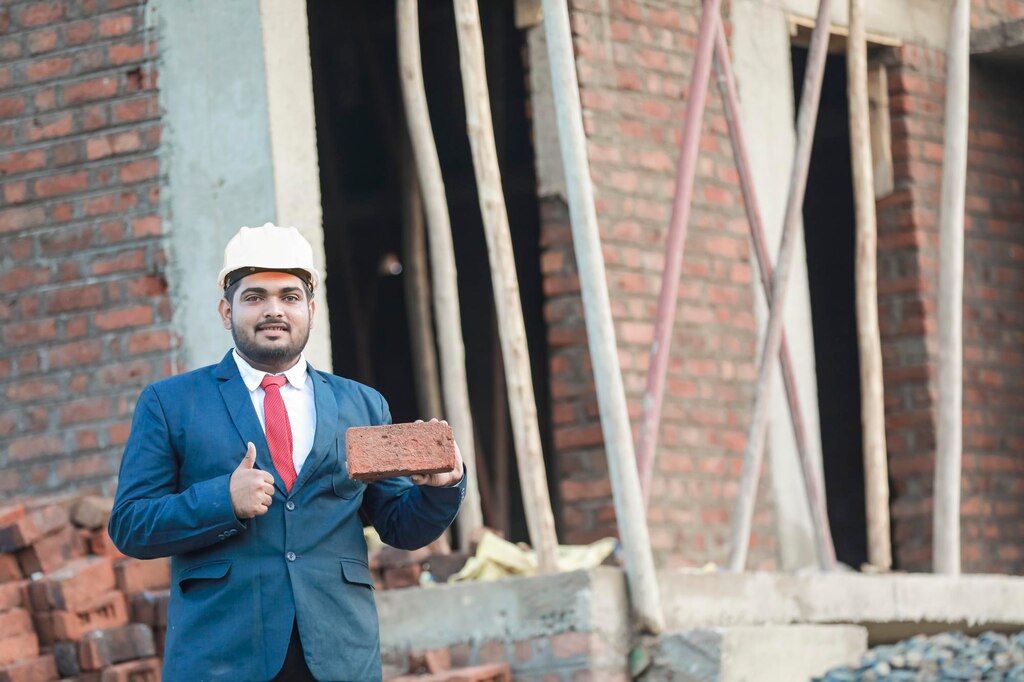
Equipment ownership and workforce scale are not just nice to have in Baghdad; they directly affect speed, coordination, and accountability. When a contractor owns heavy machinery, mobilisation is faster, scheduling is more predictable, and the project is less exposed to rental shortages or price changes. It also improves safety and maintenance control, because the contractor can standardise equipment checks and operator training. Workforce scale matters for large sites because it allows parallel work streams without constantly pulling crews from one task to another. With the right supervision structure, larger manpower can reduce idle time and accelerate milestone delivery while maintaining quality.
At Aldhaman, we build for investors who need reliable delivery and clear accountability. We operate with over 1,800 workers and our own heavy machinery to support large residential construction in Baghdad and commercial construction in Baghdad without relying on last-minute rentals to keep progress steady. This approach helps us control productivity, coordinate trades, and respond quickly when priorities shift. It also supports phased delivery, where different areas of a site need different crews at the same time. Most importantly, it reduces the risk of stoppages caused by resource gaps, which is essential for delivering the Best Construction Service in Baghdad on complex sites.
We also focus on full-service execution because projects in Iraq often require more than construction alone. That includes worker accommodation when sites are large or schedules are tight, and material import when specific items are not reliably available locally. By integrating these services, we reduce interface risk and keep procurement aligned with the programme. Our project management is built around clear reporting, documented quality controls, and safety processes aligned with international standards while staying practical for local site realities. The goal is simple: deliver high-quality projects in Iraq and finish them on time, with trust, safety, and quality as the daily standard.
Selecting Among the Best Contractors in Baghdad: Scope, Contracting Model, and Next Steps
When selecting among the best contractors in Baghdad, start by choosing the right contracting route for your project. General contracting can give you clearer accountability for delivery, especially when you want one party responsible for coordination and execution. Project management models can work well when you want more direct control over procurement and subcontractor selection, but they require stronger internal involvement and faster decision-making from the client side. Your best option depends on how much control you want, how fixed your timeline is, and how much budget certainty you need from the start. The important point is to align the contracting model with your governance and risk tolerance, not just with price.
Next steps should be structured and consistent so you can compare bids fairly and reduce surprises after award:
- Define scope clearly: confirm drawings, specifications, BOQ assumptions, inclusions/exclusions, and acceptance criteria for handover.
- Validate capability: review relevant experience, site management structure, equipment plan, manpower plan, and HSE/QC systems.
- Request method statements: focus on high-risk works such as waterproofing, MEP coordination, structural activities, and commissioning.
- Compare bid clarity: look for transparent BOQs, clear unit rates, realistic timelines, and clearly stated procurement lead times.
- Agree reporting and SLAs: set the weekly reporting format, meeting cadence, escalation path, and documented approvals for changes.
Following these steps keeps selection objective. It also improves project outcomes because expectations are documented early, before site pressure and time constraints drive rushed decisions.
As you shortlist, pay attention to how the contractor communicates during the tender stage. If responses are slow, unclear, or inconsistent now, they usually become worse once the contract is signed. Strong contractors ask good questions, identify risks early, and propose solutions that protect schedule and quality. They do not promise what cannot be delivered; they explain trade-offs and make commitments they can keep. This is the practical mindset that protects investors and operators over the full project lifecycle in Baghdad.
If you are planning a residential compound, a commercial facility, a warehouse, a clinic, or a mixed-use development in Baghdad, Aldhaman is ready to review your scope and advise on the safest path to delivery. Share your project brief, timeline, and site location within Baghdad, and we will come back with a clear execution approach, realistic schedule expectations, and a reporting structure that keeps you in control. We believe trust is earned through clear plans and consistent results. Let’s build something that finishes on time and stands up to long-term use.
Frequently Asked Questions Related to Best Construction Service in Baghdad
How can I confirm a contractor is truly the Best Construction Service in Baghdad, not just well marketed?
Look for repeatable evidence from recent projects, not general claims. Ask for anonymised weekly progress reports, sample ITPs, material submittal logs, test results, and HSE records that show routine site control. Then verify consistency: the team presenting should be able to explain how these documents are created, who approves them, and how issues are closed. A contractor with real systems will describe the workflow clearly: how inspections are requested, where hold points apply, how nonconformities are corrected, and how progress is measured against the baseline programme.
What documents should I request before awarding a residential or commercial project in Baghdad?
Request documents that show the contractor can plan, control, and report. At minimum, ask for a baseline programme (logic-linked), an organisational chart with roles and coverage, and examples of method statements and ITPs for high-risk activities such as waterproofing, structural works, and MEP installations. Also request sample weekly reports that include progress, look-ahead, procurement status, HSE observations, and quality inspections. For commercial projects, ask specifically about commissioning planning and handover documentation, because these often determine whether the facility is operational on time.
Why do equipment ownership and manpower depth matter so much in Baghdad?
They reduce uncertainty. When key machinery is owned and maintained by the contractor, mobilisation is faster and the site is less exposed to rental shortages, changing prices, or downtime caused by third-party availability. Manpower depth matters because large projects require parallel work fronts, steady supervision, and the ability to recover quickly after disruptions. If a contractor is forced to borrow crews from other sites or constantly reshuffle teams, productivity drops and quality can become inconsistent, especially during finishing stages and coordinated MEP works.
How should I evaluate pricing fairly when comparing construction companies in Baghdad?
Focus on clarity and assumptions, not only the total number. Ask every bidder to confirm inclusions and exclusions, BOQ basis, and unit rates for key items. A low price can hide risk if the programme duration is unrealistic, procurement lead times are ignored, or allowances are too small for the required quality level. You should also review the change-control process: how variations are priced, who approves them, and how they affect time and cost. Transparent bids typically come with clear deliverables, defined milestones, and a reporting approach that makes financial tracking easier for your team.
What is the biggest difference between residential construction in Baghdad and commercial construction in Baghdad when selecting a contractor?
Residential projects usually rise or fall on finish consistency, repetition control across units, and disciplined snagging and handover. Commercial projects typically demand stronger MEP coordination, compliance, documentation, and commissioning readiness, especially for facilities like clinics, offices, and industrial buildings where performance and safety systems must be proven. When selecting a contractor, match their strongest track record to your project type. A contractor may be excellent at high-quality residential finishes but less experienced in commercial commissioning, or vice versa, and your selection should reflect the operational needs of the finished building.