


Best Place to Invest in Construction in Iraq
Identify the best place to invest on construction iraq by prioritizing funded, permitted, buildable projects—and validate demand, documentation, and execution partners quickly through Iraq Home & Hotel Expo and Building iraq 2026.
- Prioritize “investable” demand, not just “high need”: confirm authority, documented funding, and a realistic procurement path before treating any opportunity as investment-ready.
- Verify four basics early to avoid delays: legally clear land, utility capacity and connection timelines, transport access, and buyer/off-taker commitments (leases, operator term sheets, service contracts).
- Choose the right pipeline by revenue logic: residential can move fast but depends on sales pace; commercial (warehouses, clinics, business facilities) is often more bankable with pre-agreed leases or operating agreements.
- Run a fast viability screen before pricing: access logistics, power/water, security impact, subcontractor depth, and material lead times—especially for imported MEP and equipment.
- Use Iraq home & hotel expo and Building iraq 2026 as due diligence tools: cross-check claims with documents, benchmark suppliers and compliance, and lock realistic lead times to protect schedule and quality.
Direct answer: where to focus first
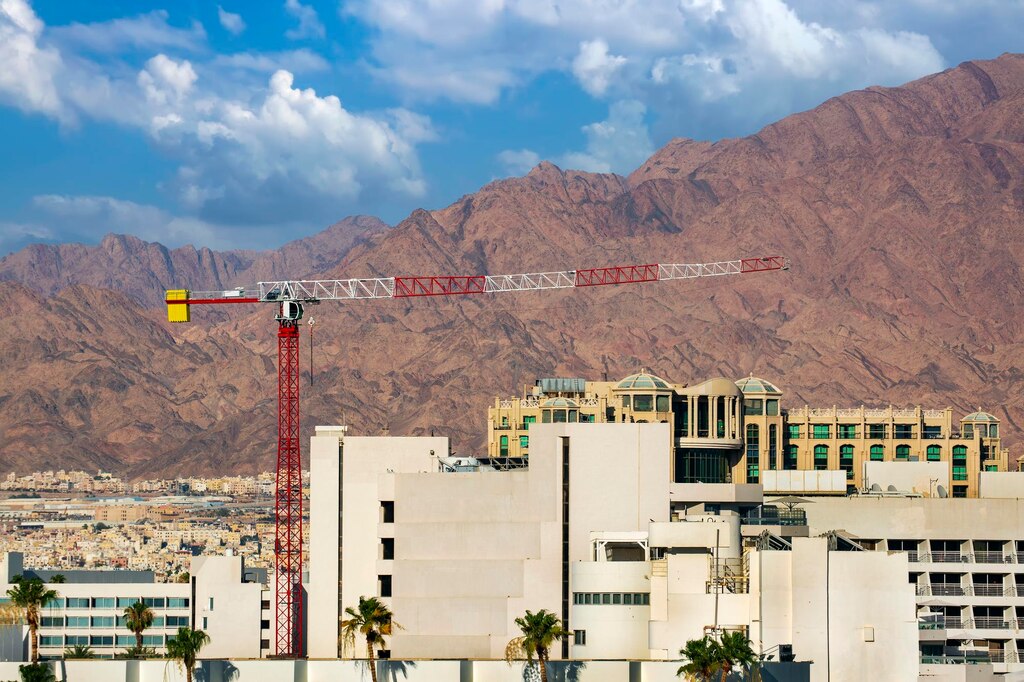
If you’re searching for the best place to invest in construction in Iraq, focus on locations where demand is real, funded, permitted, and deliverable, not just announced.
- Prioritize funded demand pockets (housing, logistics and warehousing, healthcare, hospitality, industrial support) where budgets, owners, and procurement routes are clear.
- Verify buildability first: legally ready land, utilities capacity (power and water), transport access, and credible buyer or off taker commitments.
- Choose assets that can secure revenue early (leases, service contracts, operator agreements) instead of relying only on future market sentiment.
- Use Iraq Home & Hotel Expo to validate quickly by cross checking stakeholders, documents, timelines, and payment mechanisms in one place.
- Benchmark suppliers and lead times via Building Iraq 2026 to reduce import, availability, and schedule risk before committing.
These points work together: funded demand tells you where the market is moving, buildability tells you whether you can execute, and early revenue structures reduce downside while the project matures.
Why “best place” in Iraq is about proof, not hype
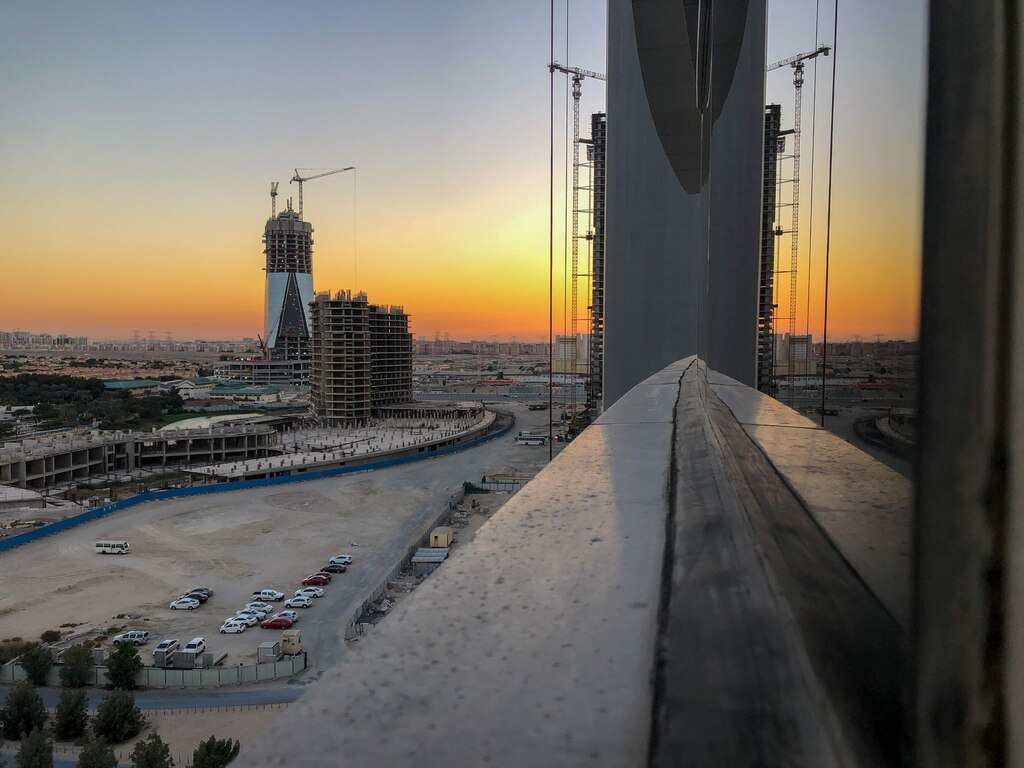
Iraq’s construction market is not one single story; it is a set of fast moving demand pockets, each with different buyers, approvals, and risks. For enterprise and mid market investors, the real question behind the best place to invest in construction in Iraq is not only where demand exists, but where demand is funded, permitted, and buildable on a predictable schedule. The most reliable way to choose priority areas is to combine official signals, such as national investment priorities and licensed opportunities, with local market proof like tenant commitments, off taker agreements, and utility readiness. That is where disciplined due diligence and the right industry events help: they shorten verification time and reduce the chance of committing to announced projects that never break ground. At Aldhaman, we focus on projects that can be executed end to end with clear accountability, using local delivery strength and international standards to protect schedules and quality.
Where demand is rising across Iraq
Across Iraq, demand is rising where population growth, business activity, and public service gaps meet real budgets. In practice, the strongest opportunities often concentrate around Iraq’s main economic corridors and service hubs, where procurement is active, utilities are more feasible to plan, and tenant demand is easier to verify. The most active construction segments typically include housing, logistics, healthcare facilities, hospitality, and industrial support infrastructure. However, investors should separate highest need from best investable by checking whether a project is backed by a credible owner, documented funding, and a realistic delivery path. Official sources such as Iraq’s National Investment Commission (NIC) and its investor guidance are useful starting points because they reflect where investment is being promoted and where enabling frameworks exist.
Funded vs announced: how to tell the difference
To spot funded versus announced opportunities, look for signals that show a project has moved beyond publicity. A funded project usually has an owner with authority, a defined procurement method, and a timeline tied to approvals and payments, not only to marketing. You should ask for evidence such as land allocation documents, feasibility outputs, or tender packages that include scope and commercial terms. Local market proof matters just as much: pre lease discussions, letters of intent from anchor tenants, operator term sheets for hotels, or healthcare service contracts often reveal whether demand will convert into revenue. If the paperwork is vague and the decision maker cannot commit to a procurement path, treat it as an early stage lead, not an investment ready build.
The four buildability basics that decide execution
Before any design conversation becomes serious, enterprise buyers should confirm four basics: land readiness, utilities, transport links, and buyer or off taker commitments. Land readiness means the site is legally clear, accessible, and not trapped in boundary disputes that delay permits and mobilization. Utilities are not a footnote in Iraq; power and water availability can decide whether a project is viable without expensive temporary solutions. Transport links determine operating cost and tenant appeal, especially for logistics parks, warehouses, and industrial facilities that rely on predictable inbound and outbound movement. Finally, buyer or off taker commitments turn need into bankable demand, especially for clinics, warehouses, and hotels where operators drive performance.
| Buildability basic | What to verify | Why it matters |
|---|---|---|
| Land readiness | Site is legally clear, accessible, and not tied up in boundary disputes | Reduces permit and mobilization delays |
| Utilities | Power and water availability and realistic connection options | Can determine viability without costly temporary solutions |
| Transport links | Access and connectivity for inbound and outbound movement | Impacts operating cost and tenant appeal, especially logistics and industrial |
| Buyer or off taker commitments | Tenant, operator, or service commitments that can support revenue | Turns need into bankable demand |
Residential vs commercial: choosing the right pipeline
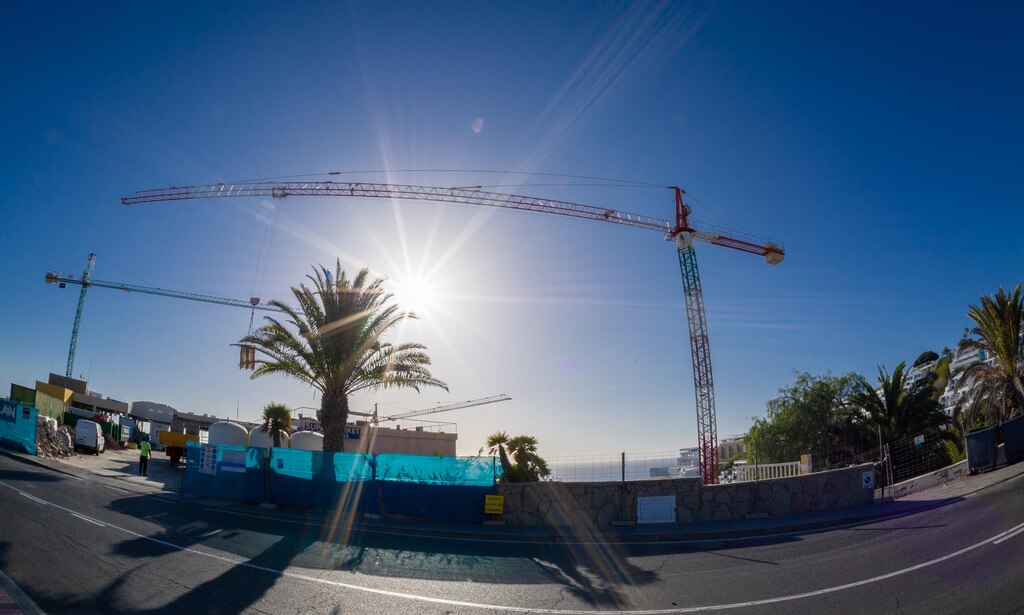
Residential and commercial projects behave differently in Iraq, and investors should choose based on cashflow timing, demand stability, and permitting complexity. Residential compounds can deliver strong velocity when priced correctly and aligned with local purchasing power, but they also rely heavily on market sentiment and installment or payment plan structures that fit the local buyer base. Commercial assets, such as warehouses, clinics, and business facilities, often have clearer revenue logic because leases, service contracts, or operating agreements can be negotiated before construction begins. Permitting can be simpler for certain warehouse and light industrial builds if the land use is already aligned, while healthcare and hospitality can require more layered approvals and stricter operational requirements. The right pipeline is the one where you can verify the buyer, verify the site, and verify the approvals without relying on assumptions.
Revenue timing: focus on when income starts, not only when works end
Investors comparing timelines should focus on when revenue realistically starts, not when construction finishes. A residential phase might hand over units while later phases continue, but collections depend on sales pace and buyer financing. Warehouses can start generating income quickly once basic operations are enabled, yet they require strong access, yard design, and power planning to meet tenant needs. Clinics and healthcare facilities typically take longer due to equipment planning, licensing, and fit out standards, but they can become stable long term assets when backed by credible operators. Hotels sit in the middle: they can be attractive where business travel and events are strong, but occupancy and operator quality must be validated early to avoid underperforming assets.
| Asset type | How revenue starts | Timing and complexity notes from the article |
|---|---|---|
| Residential | Sales collections (often phased handovers) | Depends on sales pace and buyer financing; sensitive to sentiment and payment plan fit |
| Warehouses and logistics | Leases once basic operations are enabled | Can generate income quickly; needs strong access, yard design, and power planning |
| Clinics and healthcare | Operator and service driven income | Typically longer due to equipment planning, licensing, and fit out standards; stable with credible operators |
| Hotels and hospitality | Operator led performance and occupancy | Mid range timeline; must validate occupancy assumptions and operator quality early |
Quick viability checks before you price a project
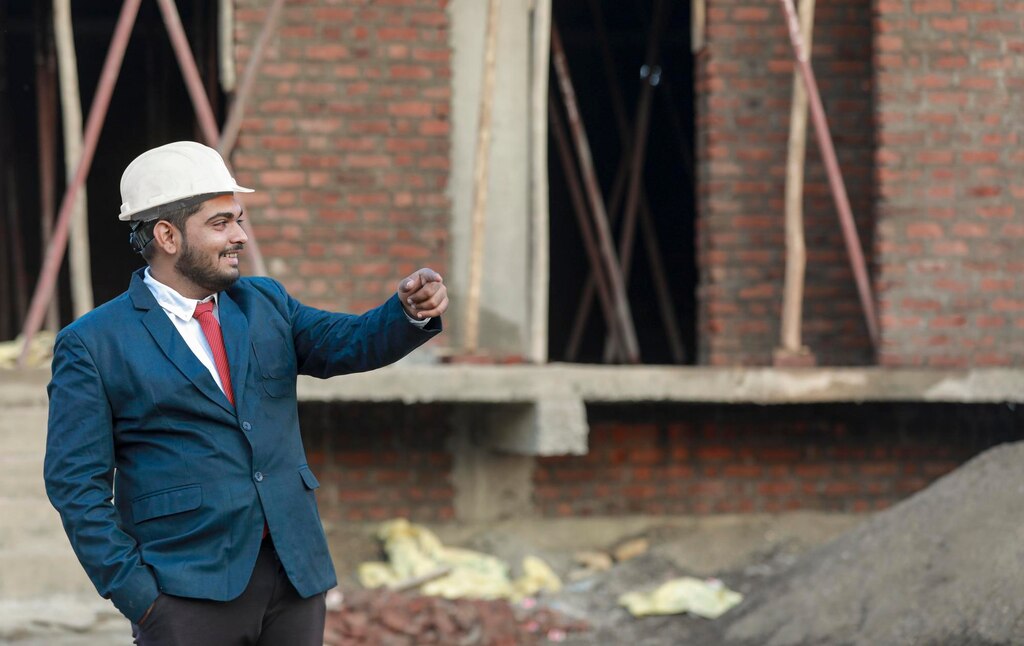
Before you price any project, do a short viability check that reflects real site and delivery constraints in Iraq. This step helps prevent attractive concepts from turning into expensive mistakes, especially when utilities or logistics are underestimated. Investors should also verify that local subcontractor capacity exists for the required trades, because schedule risk often comes from labor and coordination gaps rather than design. Material lead times should be treated as a planning input from day one, especially for specialized finishes, MEP systems, and imported equipment. A fast viability screen does not replace full due diligence, but it helps you decide whether to invest time and money in deeper engineering and commercial work.
Site and delivery checklist
- Access roads and site logistics: confirm heavy vehicle access, turning radii, staging areas, and whether road upgrades are required.
- Power and water availability: confirm capacity, connection timeline, and whether temporary power or water trucking will be needed during construction and operations.
- Security profile: assess site security needs, worker accommodation planning, and how security affects productivity and delivery hours.
- Local subcontractor depth: verify availability of competent civil, steel, MEP, finishing, and commissioning teams for the required scale and standards.
- Realistic material lead times: validate what is locally available versus what must be imported, including customs and shipping windows into Iraq.
Once this checklist is clear, pricing becomes more accurate because it reflects real constraints (connections, access, sequencing) rather than assumptions that later become costly variations or delays.
Validate the best place to invest in construction in Iraq at Iraq Home & Hotel Expo
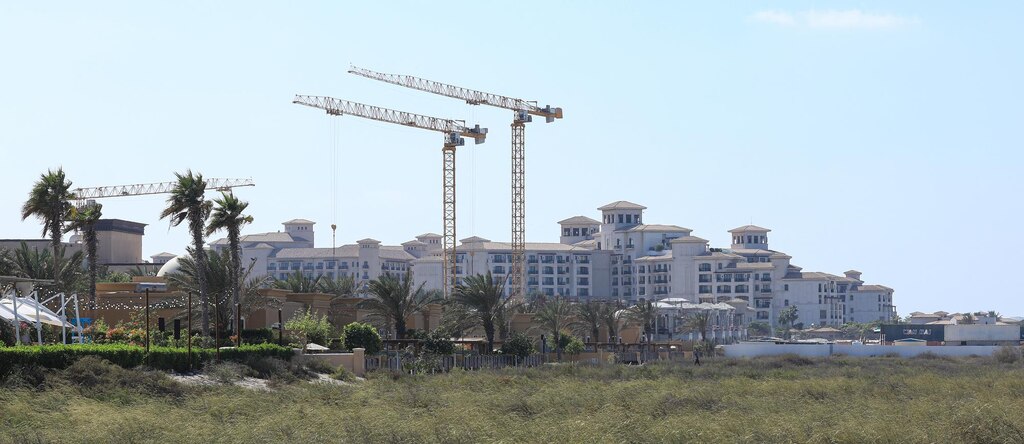
Large projects move faster when investors can validate demand and execution capability in one place, and the Iraq Home & Hotel Expo is designed for that kind of verification. Instead of relying on second hand introductions, buyers can meet developers, hotel operators, facility managers, distributors, and government linked stakeholders and test whether opportunities are real. The practical advantage is speed: you can compare multiple proposals, ask the same questions, and cross check claims immediately. The professional advantage is documentation discipline: serious exhibitors can show project references, scope breakdowns, certifications, and procurement readiness. When you treat the expo as a due diligence tool, not a marketing visit, you reduce the chance of engaging with paper opportunities that have no approvals, no budget, or no accountable owner.
How to validate demand while you’re at the expo
To confirm real demand, focus on the buyer side of the market as much as the builder side. For hospitality, speak with operators and facility managers who can explain occupancy assumptions, service standards, and fit out priorities in Iraqi cities where business travel and local events drive demand. For logistics and industrial, talk to distributors and end users who can confirm warehouse specifications, yard needs, and power requirements based on Iraq’s transport routes and border and import realities. For residential, look for credible sales and marketing plans, pricing logic, and evidence of buyer interest beyond social media. Then cross check what you hear against documents and official direction, including the investment priorities and guidance available through the National Investment Commission and established business due diligence practices.
What to bring so suppliers can answer precisely
As a buyer or investor, you will get better answers if you arrive prepared. Bring a short scope brief that states your asset type, approximate size (m²), target location, and expected standard of finish, so contractors can respond with realistic ranges. Share a budget range (in Iraqi dinar or US dollars, as used in the project’s contracts) and timeline expectation, because serious contractors will quickly flag whether those assumptions match local reality. Define your procurement method, such as design build, EPC style delivery, or separated packages, so you can compare bids more fairly. Finally, clarify compliance requirements such as reporting cadence, QA and QC expectations, HSE rules, and contract terms, because enterprise projects fail when accountability is not specified upfront.
What to ask exhibitors to avoid paper opportunities
Filtering quickly is a competitive advantage, especially when multiple opportunities look attractive on the surface. The goal of your questions is not to catch someone; it is to confirm the basics of authority, funding, readiness, and payment. If an exhibitor cannot clearly explain who owns the project, what stage it is in, and what documents exist today, you should assume the opportunity is still speculative. Likewise, if payment terms are unclear or depend on informal approvals, the project is more likely to stall during execution. A short, consistent question set makes it easier to compare answers across exhibitors and avoid wasting weeks on leads that cannot progress.
- Funding source and payment mechanism: is the budget approved, and what is the expected payment schedule and security?
- Project stage: is land allocated, are designs complete, and what approvals have been issued to date (municipality, utility connections, relevant authorities)?
- BOQ and scope readiness: is there a Bill of Quantities, specifications, and a clear employer’s requirement?
- Procurement route: open tender, limited tender, negotiation, or framework, and what are the evaluation criteria?
- Decision authority: who signs off commercially and technically, and what is the approval timeline?
These questions turn a general discussion into a verifiable trail: you are checking who can decide, what exists today, and how money and approvals will move in practice.
How Aldhaman supports expo to site execution
Many investors can find projects; fewer can deliver them reliably from mobilization to handover. Aldhaman is built for execution in Iraq with simple, direct accountability across the full delivery chain: general contracting, project management, real estate marketing, and material import when required. Because we operate with our own heavy machinery and a workforce of more than 1,800 people, we reduce dependency on third parties that often cause schedule slippage. We also provide enabling support such as worker accommodation planning, which improves productivity and helps maintain site discipline. Our approach is practical: we align scope, schedule, and procurement to what can be built on time, and we report progress in a way enterprise stakeholders can trust.
At the Iraq Home & Hotel Expo, Aldhaman helps buyers move from conversation to a structured next step. We translate high level intent into a workable execution plan: site checks, preliminary program, procurement strategy, and risk controls aligned with international standards. If a project requires imported materials, we integrate that into the construction schedule so shipping and customs do not become last minute delays at Iraqi ports and border crossings. If a buyer needs real estate marketing support for a residential compound, we coordinate construction sequencing with realistic sales and handover phases. The result is a clearer path from interest to contractable scope, and from contract to a controlled, measurable build.
Plan for Building Iraq 2026
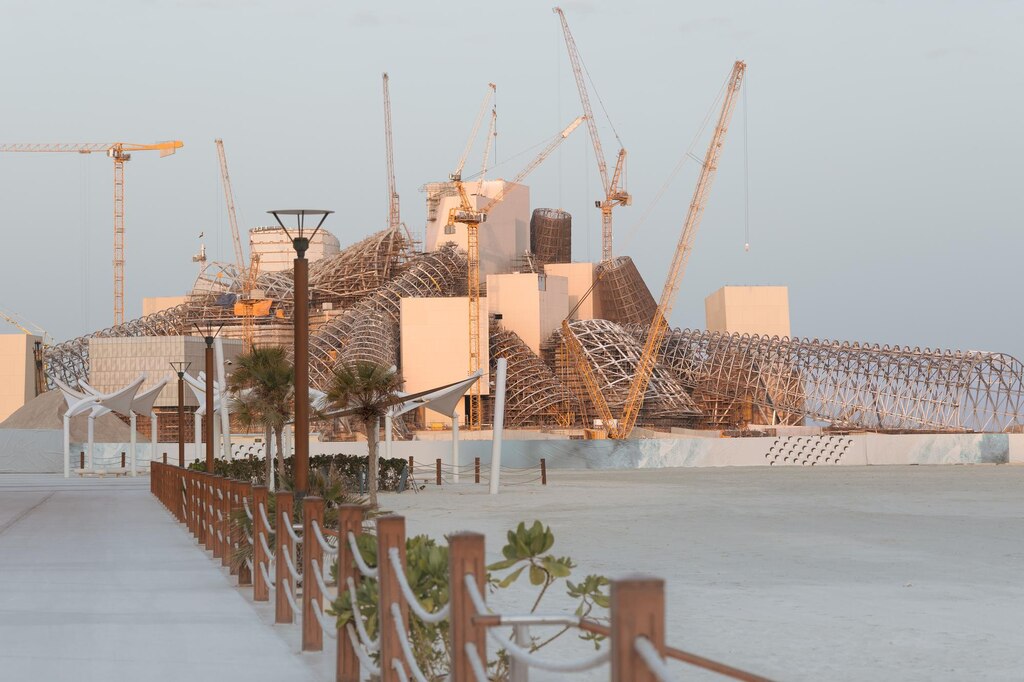
For large scale construction, timing and supply chain discipline can be as important as design, and Building Iraq 2026 can be used to benchmark the market before you commit. Enterprise buyers can compare suppliers, check product compliance, and validate availability across key categories like MEP systems, finishes, structural components, and equipment. This matters because the cost and timeline of materials in Iraq can shift quickly, especially when imports are involved. By using the event to validate lead times and supplier capacity, you can lock a schedule that reflects reality rather than best case assumptions. It also improves negotiation quality because you can confirm alternatives and avoid single source dependence.
Enterprise controls that protect schedule and quality
Accountability on enterprise projects must be structured, not implied. That means clear milestones tied to measurable outputs, QA and QC checkpoints tied to specifications, and HSE controls that protect people and protect the schedule. Service level reporting should be agreed early, including progress measurement, material submittal tracking, and change control processes. When standards and reporting are aligned from the start, investors can compare contractors more fairly and reduce disputes during execution. Aldhaman’s delivery model is designed to support this structure, combining local execution capacity with international style controls so stakeholders can see progress, risks, and decisions clearly.
Procurement and material import that won’t stall your build
Procurement planning should start before mobilization, not after construction begins. The first step is defining approved brands and technical requirements that meet performance needs while remaining available in the market. Next, set practical alternatives that are pre approved, so you do not lose weeks redesigning when a single item becomes unavailable. Shipping windows and customs documentation should be treated as schedule activities with owners and deadlines, not as logistics details. For many large projects, bundled import, managed under one coordinated plan, can reduce cost surprises and improve control, especially when you need consistent quality across multiple buildings or phases.
- Create a materials register early: list long lead items, required submittals, testing needs, and target on site dates tied to the construction program.
- Pre qualify suppliers and alternatives: confirm compliance, warranty terms, and local service capability to avoid operational problems after handover.
- Plan customs and documentation: align invoices, certificates, and shipping paperwork to reduce clearance delays and unplanned storage costs.
- Coordinate procurement with site sequencing: deliver materials when needed, with safe storage and handling plans to reduce damage and rework.
When these steps are done early, procurement becomes a controllable workflow instead of a last minute scramble that forces expensive substitutions or pushes commissioning dates.
Choosing the best place to invest in construction in Iraq is ultimately choosing the best combination of demand, readiness, and controllable execution. If you want to validate opportunities quickly, meet accountable partners, and move from expo conversations to site ready plans through the Iraq Home & Hotel Expo and by benchmarking suppliers at Building Iraq 2026, Aldhaman is ready to support you. Share your target asset type, location within Iraq, and timeline, and we will help you verify project readiness and structure a delivery approach that protects quality, safety, and completion dates.
Frequently Asked Questions Related to Best Place to Invest in Construction in Iraq
What does “best place” mean in Iraq construction investing?
In Iraq, best place usually does not mean a single city or province for every investor. It means a location where your specific asset type (for example, warehousing, residential compounds, clinics, or hotels) matches provable demand and can be delivered with predictable approvals, utilities, and access. A practical definition is land that is legally ready, utilities that can be connected on a real timeline, and a buyer or off taker (tenant, operator, or service contract) that can support cashflow. When those conditions are present, your risk is lower and your planning becomes more reliable.
Which construction segments in Iraq are easiest to validate before building?
Segments that allow pre commitments are generally easier to validate. Warehouses and logistics facilities often work well because tenants can confirm specifications and sign leases or letters of intent before you pour concrete. Healthcare projects can also be validated when there is a credible operator, a service contract pathway, and a clear licensing plan, though fit out and approvals can take longer. Hospitality can be investable when operator quality, positioning, and demand drivers (business travel, events, government activity) are verified early through realistic assumptions and operator terms, not only optimistic forecasts.
How can I verify that a project is funded and not just announced?
Start by asking for proof that money and authority exist, not just interest. Look for an identifiable project owner with decision authority, a defined procurement route (tender, negotiation, framework), and documents that show readiness: land allocation or ownership documentation, feasibility outputs, or tender packages with scope and commercial terms. Then validate the payment reality by clarifying the payment schedule, the mechanism of payment security, and who signs off on invoices and variations. If the answers stay vague, or if approvals and funding are described only as in progress with no documents, treat the project as early stage and price your risk accordingly.
Why are utilities such a big factor when choosing where to build in Iraq?
Utilities can determine whether a project is economically viable and whether it can operate as promised after handover. If power capacity is insufficient, you may need temporary generation or redesign systems, which changes both capex and operating costs. Water availability and connection timelines can also affect construction productivity and post handover operations, especially for hospitality and healthcare. Because these issues can be solved but often at a cost, confirming utility capacity and connection pathways early protects your budget, schedule, and the asset’s long term performance.
How does Iraq Home & Hotel Expo help investors make better decisions?
The expo helps because it concentrates decision makers and evidence in one place. Instead of relying on informal referrals, you can meet developers, contractors, operators, facility managers, and suppliers and ask the same verification questions across multiple opportunities. This makes it easier to compare credibility: who has documents, references, and a clear procurement plan, and who only has a concept. Used properly, the expo becomes a due diligence accelerator, helping you shorten the time between interest and investment ready, while reducing the risk of committing to projects that cannot move to site.
What should I ask at an expo to confirm a construction opportunity is real?
Keep your questions focused on proof: funding, authority, readiness, and procurement. Ask who owns the project and who signs commercially and technically. Ask what approvals have been issued to date, whether the land is allocated and legally clear, and whether there is a BOQ and specification package or employer’s requirements. Then confirm the procurement route and evaluation criteria so you know how decisions will be made. Finally, ask about payment schedules and security. Clear, consistent answers backed by documents are usually a strong sign you are looking at an executable project rather than a paper opportunity.
How can Building Iraq 2026 reduce construction risk before I commit?
Building Iraq 2026 can reduce risk by helping you validate suppliers, compliance, and lead times before your schedule is locked. If your project depends on imported MEP systems, specialized finishes, or equipment, availability and shipping timelines can become critical path items. By benchmarking multiple suppliers and confirming acceptable alternatives, you reduce the chance of single source dependency. This also supports better contracting because you can build a realistic materials register and procurement plan that reflects what the market can actually supply within your timeline.