


Commercial Construction in Iraq: Office, Retail & Fit-Out Guide (Baghdad Focus)
Here are the quickest, most practical points to know before starting commercial construction in Iraq.
- Define scope, performance requirements (MEP, IT, backup power), and handover date early, then keep decisions stable to avoid redesign and cost drift.
- Plan approvals, utilities, and site logistics in Baghdad with realistic buffers, clear responsibilities, and controlled documentation.
- Start procurement alongside design, prioritizing long-lead items (HVAC, switchgear, generators, elevators) and tracking milestones against the master schedule.
- For fit-outs, verify existing conditions with a detailed site survey and coordinate MEP before closing ceilings, backed by testing and commissioning evidence.
- Choose a Baghdad contractor based on delivery capacity, supply-chain control, QA/QC, and reporting systems, not price alone.
These five points connect to one outcome: predictable delivery. When scope, approvals, procurement, and coordination are managed as one system, commercial projects in Baghdad are less likely to slip on time, cost, or performance.
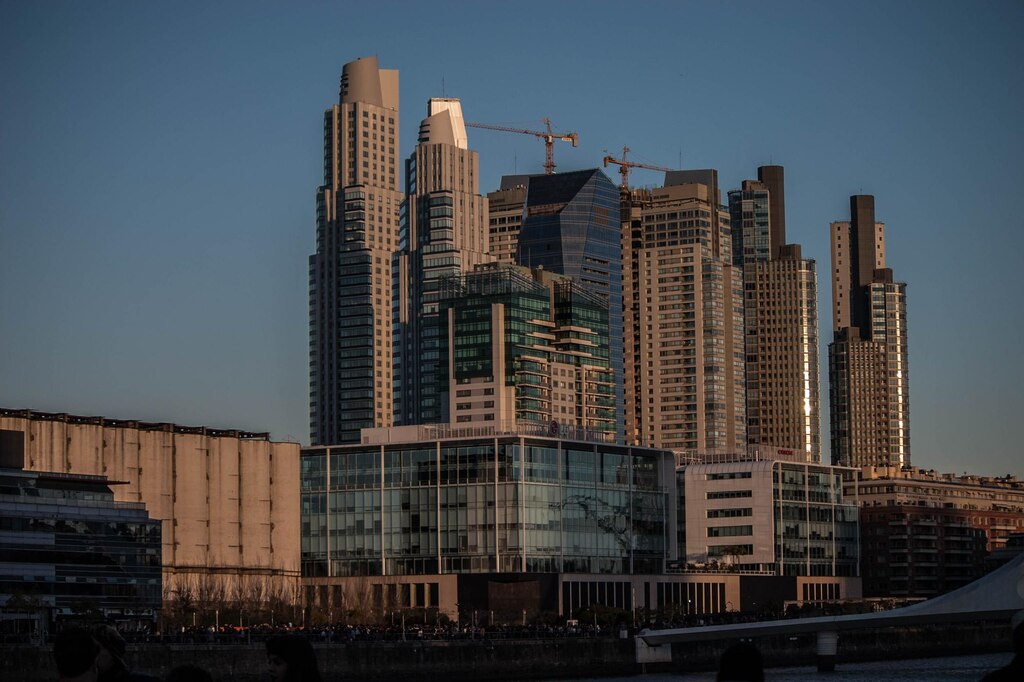
Planning commercial construction Iraq is not only about building a space. It is about protecting operations, budgets, and opening dates in a market where approvals, utilities, and supply chains can change quickly. In Baghdad, enterprise and mid-market projects often move fast, but early “small” decisions can later become the main drivers of cost and schedule. The strongest results come from clear scope definition, realistic risk planning, and disciplined procurement that anticipates long-lead items and site realities. This guide explains how office builds, retail projects, and commercial fit-outs typically succeed in Iraq, and what to ask from a contractor before you commit.
Office builds in Iraq

Office projects succeed when owners make key decisions early and keep them stable through design and procurement. At the start, align on the site, the scope boundary, a realistic budget range, and a timeline that matches business needs. For office building construction Iraq, operational requirements matter as much as aesthetics because they affect MEP capacity, approvals, and permitting complexity. Early clarity reduces redesign and prevents contractors from pricing uncertainty into the job.
In Baghdad, plan for permits, utilities, and site logistics with realistic buffers and clear responsibilities. Utilities are a major dependency: upgrades, redundancy, or temporary solutions may be needed while permanent connections are finalized. Security, access routes, and delivery logistics also shape sequencing, especially in dense areas where traffic, checkpoints, and restricted access windows can affect productivity.
Scope, performance, approvals, and procurement
Defining performance needs early prevents late changes. Start with floor loading and structural assumptions, because they affect archive rooms, equipment rooms, and heavy storage areas. Then confirm MEP capacity, including HVAC load, electrical demand, and fire systems, so the building supports current headcount and future growth. IT rooms and data pathways should be treated as critical infrastructure for companies with security and uptime requirements. Backup power strategy (generators, UPS, ATS, fuel storage, and maintenance access) should be fixed early to avoid redesign once equipment is ordered.
Approvals and documentation should be managed as one system. Plan drawing packages, approval routes, and inspection steps early, including who submits what and when. Requirements can vary by authority and location, so compliance responsibilities should be stated clearly in the contract and schedule. A controlled document set across architecture, structure, MEP, and shop drawings reduces rework and prevents site teams from building from outdated information. This discipline also supports payments, variations, and closeout.
Procurement planning is one of the most practical ways to protect an office schedule in Iraq. Identify long-lead items early (HVAC equipment, elevators, major switchgear, generators, specialized fire systems) because delays can freeze multiple trades. Procurement should start alongside design, not after it. A disciplined approach confirms technical specifications, required certifications, spare parts, and commissioning support before purchase orders are issued. Track each critical package by approvals, shipping milestones, and installation readiness. The most reliable contractors tie procurement milestones directly to the construction program.
| Package | Why it matters to schedule |
|---|---|
| HVAC equipment | Delays can freeze multiple trades and push commissioning and handover. |
| Elevators | Late delivery can block access, inspections, and final approvals. |
| Major switchgear | Electrical infrastructure timing affects downstream MEP and fit-out readiness. |
| Generators | Backup power is a core operational requirement and can drive redesign if late. |
| Specialized fire systems | Interfaces and approvals can delay ceiling close-up and opening approvals. |
Retail projects in Iraq
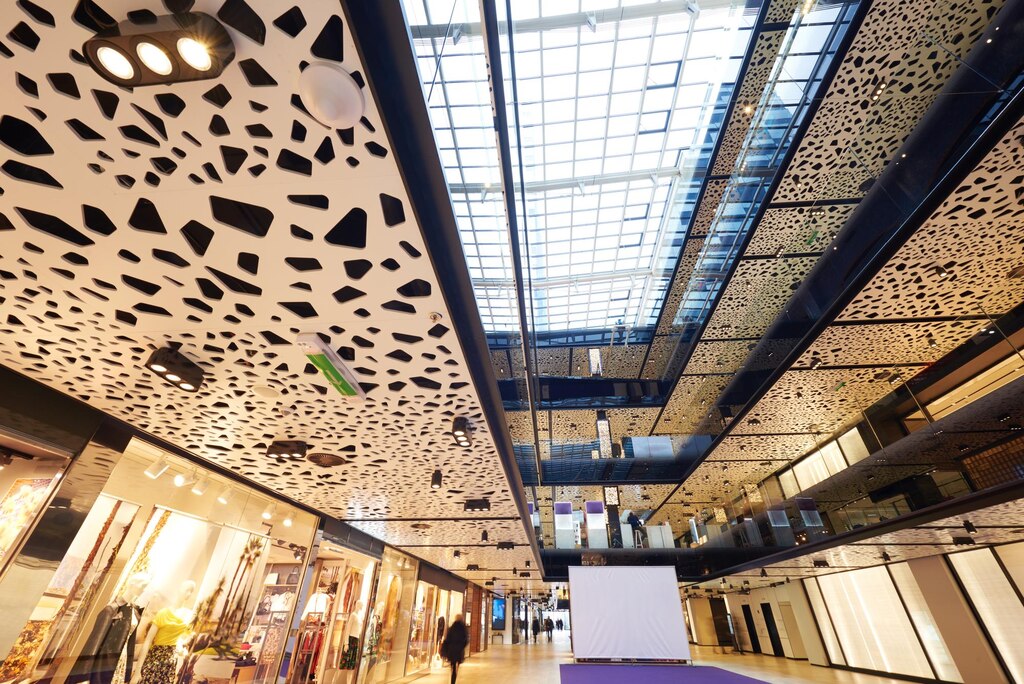
Retail construction Iraq typically has one priority above all others: the opening date. The format you choose (shell and core with tenant fit-out, standalone stores, or mall units) changes how approvals, landlord coordination, and MEP connections are handled. Shell and core projects require tight control of base-building interfaces. Mall units demand compliance with landlord rules and often restricted working hours. Standalone stores can move faster, but site access, utilities, and external works often become critical path items. The best retail projects align the format, scope boundaries, and handover strategy before design accelerates.
Protecting opening dates requires planning beyond the construction sequence. Phased handover can allow early access for IT, merchandising, or training while final works continue in controlled areas. Night work helps only when labor, supervision, safety controls, and approvals are ready. Landlord coordination must be tight because shutdown windows and base-building approvals can delay tie-ins for sprinklers, power, and signage.
Layout, compliance, and fast-track delivery
Retail layout decisions shape revenue and safety at the same time. Customer flow should reduce congestion at entry points, cash desks, and key displays, especially during peak hours. Exits, fire separation, and egress routes must remain compliant even when displays and seasonal promotions change. In Baghdad, where foot traffic can spike during weekends and Eid periods, wider circulation paths and clear signage can prevent operational problems after opening.
Many retail clients bring global brand standards, but these should be adapted to local availability and operating conditions without losing the brand experience. Iraq’s heat, dust, and power stability influence HVAC selection, filtration, and electrical protection. The best approach is to define what is “must-have” versus “preferred,” validate availability early, and use mock-ups to confirm finish quality before bulk installation.
Fast-track delivery is common in retail, but it must be structured to avoid rework. Parallel design and procurement can work if scope is stable and decisions are fast, with clear sign-offs at each milestone. Packaged trades (MEP, ceilings, shopfronts) reduce clashes, and short look-ahead planning helps confirm readiness before each trade mobilizes. Strong QA/QC prevents defects from accumulating and blocking opening approvals.
Commercial fit-out in Iraq
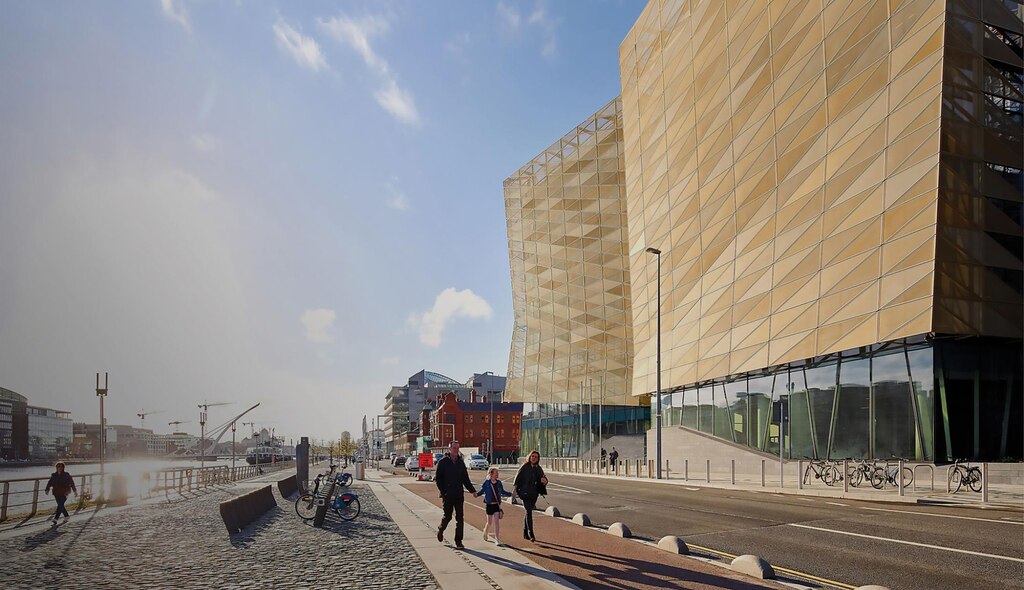
Commercial fit-out Iraq sits at the intersection of design detail and site reality, whether the project is an office, clinic, logistics facility, or retail unit. The fit-out approach should start with accurate surveys, clear design intent, a disciplined BOQ, and an execution plan that respects building constraints. Many delays happen when teams assume existing conditions are “close enough,” then discover level differences, missing sleeves, or mismatched landlord services after materials are ordered. A structured fit-out process reduces variation claims, protects quality, and supports an operations-ready handover.
Quality controls that matter in Iraq are tied to performance and maintainability, not only appearance. MEP testing and commissioning should be treated as mandatory evidence. Finish mock-ups reduce disputes and help approve standards early, especially for high-visibility areas. Snagging works best as a staged process, with time to fix items properly rather than rushing the last week. Closeout packages (manuals, as-builts, warranties, spare parts) turn a completed fit-out into a usable facility.
Surveys, MEP coordination, and finish standards
A reliable fit-out begins with a thorough site survey, even when drawings are available. As-built dimensions, slab levels, and wall conditions often differ from plans, affecting joinery, partitions, glazing, and ceiling coordination. Core services (incoming power capacity, water points, drainage locations, fire connections) should be verified before finalizing shop drawings. In Baghdad, landlord constraints can also control working hours, access routes, and loading limits.
MEP coordination is where fit-outs often succeed or fail because multiple trades share limited ceiling and riser space. HVAC, electrical, fire, plumbing, and data should be coordinated in a single model or coordinated drawing set that reflects actual site constraints. Testing and commissioning should be planned from the beginning with clear acceptance criteria. This typically includes HVAC balancing and performance verification, electrical protection checks where applicable, and fire alarm and sprinkler interface verification in line with landlord or authority requirements.
Finish quality affects durability and long-term operating cost. Mock-ups make quality measurable and help lock standards early. Snagging should be staged while trades are still mobilized, and closeout should include as-builts that reflect actual routes and access points to support maintenance and reduce downtime after handover.
Choosing a contractor in Baghdad and across Iraq
Selecting a commercial contractor Baghdad is a business decision based on capability and controls, not only price. For commercial construction Iraq projects, you need a contractor with proven staffing capacity, reliable safety systems, and financial controls that prevent site stoppages. References should be relevant to your project type and pace. Also evaluate how the contractor manages permits, documentation, and procurement, because these are the areas that most often create delays in Iraq.
Aldhaman reduces delivery risk through real capacity and end-to-end control. We operate with our own heavy machinery and a workforce of over 1,800 people, allowing us to resource projects without relying fully on uncertain third-party availability. We also provide worker accommodation, supporting stable attendance and stronger site discipline on multi-month builds. For materials not reliably available locally, we support import planning aligned with international standards, with lead times tracked as part of the project schedule. Our approach is direct: clear scope, controlled procurement, strong site management, and measurable quality.
Accountability, delivery capacity, and project controls
The contracting model affects how variations, risk, and accountability are handled during delivery. Lump sum can work well when design is complete and scope is stable, while re-measurement can be practical when quantities are uncertain. In Iraq, what matters most is clarity on scope boundaries, variation rules, and approval pathways. A strong contract also defines who owns key risks such as permits, utility connections, and inspections, and sets timelines for client and consultant approvals to prevent silent delays.
Delivery capacity should be a site plan backed by people, equipment, and supervision. Ask for the manpower histogram, supervision structure, and the plan for peak periods when trades overlap. Equipment availability matters, especially for excavation, lifting, and concrete works. The contractor should also explain what they will self-perform, what will be subcontracted, and how subcontractor quality and safety will be controlled.
Strong project management turns a plan into consistent weekly progress. Weekly reporting should cover physical progress, a short look-ahead schedule, key risks, and decisions needed from the client. Documentation control (drawings, submittals, RFIs) prevents rework, and QA/QC checklists should be used before work is closed, not at the end.
| Model | Best fit when | Key control needed |
|---|---|---|
| Lump sum | Design is complete and scope is stable, and the client wants price certainty. | Clear scope boundaries and a variation and approval process to prevent late change costs. |
| Re-measurement | Quantities are uncertain or the project is still evolving. | Strong measurement rules and disciplined documentation to avoid disputes. |
If you are planning an office build, a retail launch, or a commercial fit-out Iraq project in Baghdad, Aldhaman can help you define scope clearly, build a realistic schedule, and reduce delivery risk through disciplined procurement and strong site execution. Contact our team to discuss your requirements, and we will review your goals and share a practical plan aligned with your timeline, quality targets, and operational needs.
Frequently Asked Questions Related to commercial construction Iraq
What is the typical process for commercial construction in Iraq from planning to handover?
Most successful projects follow a clear sequence, even when delivery is fast-tracked. It usually starts with scope definition, then concept and detailed design with early performance decisions for MEP, IT, and backup power. In parallel, the team maps approvals, utility requirements, and site logistics in Baghdad so the schedule includes real buffers rather than assumptions. Procurement should begin alongside design for long-lead equipment such as HVAC units, generators, switchgear, and elevators. Construction then progresses with coordinated shop drawings, inspections, and QA/QC hold points, followed by commissioning, snagging, and a structured closeout package (manuals, warranties, as-builts, spares) so the space is operational, not just finished.
How long does commercial construction in Baghdad usually take?
Timelines depend on project type, scope size, and how early decisions are finalized. In Baghdad, schedules are often driven by approvals, utility readiness, and procurement lead times as much as on-site productivity. A practical way to estimate duration is to identify critical path packages first (typically HVAC, electrical infrastructure, fire systems, and specialist items) and build the schedule around their lead times and approval steps. Contractors who provide a master program plus a rolling look-ahead plan usually give clients a more reliable view of completion risk and decision deadlines.
What are the most common reasons commercial construction projects in Iraq run late or over budget?
The most common causes are scope drift, late performance decisions, and procurement starting too late. Changes to backup power capacity, IT layouts, or fire system interfaces after shop drawings are approved drive rework and cost growth. Another frequent issue is building from outdated drawings or uncontrolled document revisions. On the supply side, long-lead items and import steps can delay multiple trades. On the site side, restricted access, security constraints, and landlord shutdown windows can reduce productive hours. Projects that stay on track usually combine clear scope boundaries, disciplined documentation control, early procurement planning, and weekly reporting that highlights decisions needed from the client.
How can clients verify quality for commercial fit-outs in Iraq beyond the finished appearance?
Quality is best verified through measurable evidence. For fit-outs, this includes testing and commissioning records for HVAC (balancing and performance), electrical verification where applicable, and confirmation of fire alarm and sprinkler interfaces in coordination with landlord or authority requirements. Clients can also protect quality by requiring mock-ups for key finishes, approving them early, and checking that installed work matches the benchmark. Staged snagging while trades are still mobilized helps ensure defects are fixed properly. Complete closeout documents (as-builts, manuals, warranties, spares) reduce downtime after handover and make facilities management easier.
What should I look for when choosing a commercial contractor in Baghdad?
Look for delivery capacity and control systems, not price alone. Ask for evidence of staffing plans, supervision structure, and how the contractor manages peak trade overlap. Review how they control documentation (drawings, submittals, RFIs), because outdated information is a common source of rework. Review procurement systems, especially how long-lead items are tracked and how alternates are managed without reducing performance. References should match your project type and pace. A reliable contractor can clearly explain approvals, utility interfaces, QA/QC hold points, safety, and weekly reporting in a way that shows control, not promises.