


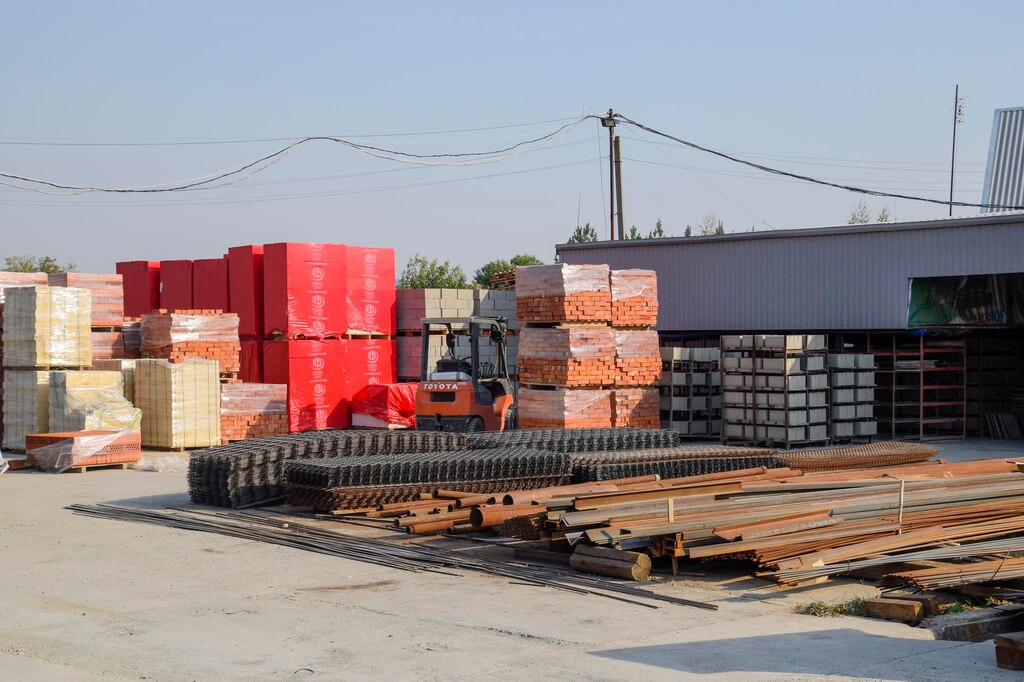
Import Construction Materials in Iraq
A practical, risk-focused guide to import construction materials in iraq—covering demand drivers, priority categories, and a step-by-step sourcing process (especially from India) to protect quality and timelines.
- Plan imports as a core procurement strategy: lock specs/BOQ early, set realistic lead times, and build buffers for price volatility, logistics delays, and schedule pressure.
- Prioritize the right categories by project phase: bulk structural inputs early (cement/clinker, steel, waterproofing), then MEP (pipes, cables, HVAC), then finishing materials with strict sample approvals.
- Control outcomes with disciplined checkpoints: early submittals and samples, defined inspection/testing, delivery scheduling aligned to installation windows, and clear acceptance/rejection criteria at receiving.
- When sourcing from India, verify before you buy: factory audits, batch-linked test reports, traceability on POs/packing lists, and pre-shipment inspections to prevent grade mismatches and documentation gaps.
- Reduce enterprise risk with operational safeguards: exact-match shipping documents, split shipments for critical packages, pre-qualified alternates, and agreed escalation paths for claims, replacements, and acceptance decisions.
If you need to import construction materials in Iraq without delays, disputes, or rejected batches, focus on controllable checks from specification to site receiving.
- Lock BOQ/specs early (standards, tolerances, approved alternatives) and require batch-linked test reports before production.
- Shortlist suppliers based on proven capacity and QA (not only lowest price), then confirm lead times with a dated production plan.
- Use inspections (factory, third-party, and pre-shipment) plus clear packing and marking rules to reduce damage and unapproved substitutions.
- Align Incoterms and documents (invoice, packing list, certificates) to avoid clearance delays at Iraqi ports and border points.
- Receive on site with a defined acceptance checklist so quantities, labels, damage, and paperwork are verified immediately.
These five controls work together: clear specs prevent wrong supply, inspections confirm compliance, documents enable clearance, and disciplined receiving protects you when claims or replacements are needed.
For enterprise and mid-market buyers, the decision to import construction materials in Iraq is no longer only about price. It is about keeping projects moving in a market where timelines are tight, specifications are strict, and supply can shift quickly. Iraq’s construction pipeline spans housing, commercial developments, industrial sites, and infrastructure upgrades, and each type of project puts different pressure on procurement teams.
When materials arrive late, arrive with the wrong grade, or arrive without the right documentation, the impact is immediate: rework, idle labour, and schedule slippage. This guide explains what is driving demand, which categories matter most, and how to source safely, especially when buying from India, using practical controls that reduce risk and improve delivery reliability for private sector buyers and international construction companies in Iraq working to strict compliance and reporting requirements.
Why import demand is rising in Iraq (and what buyers should plan for)
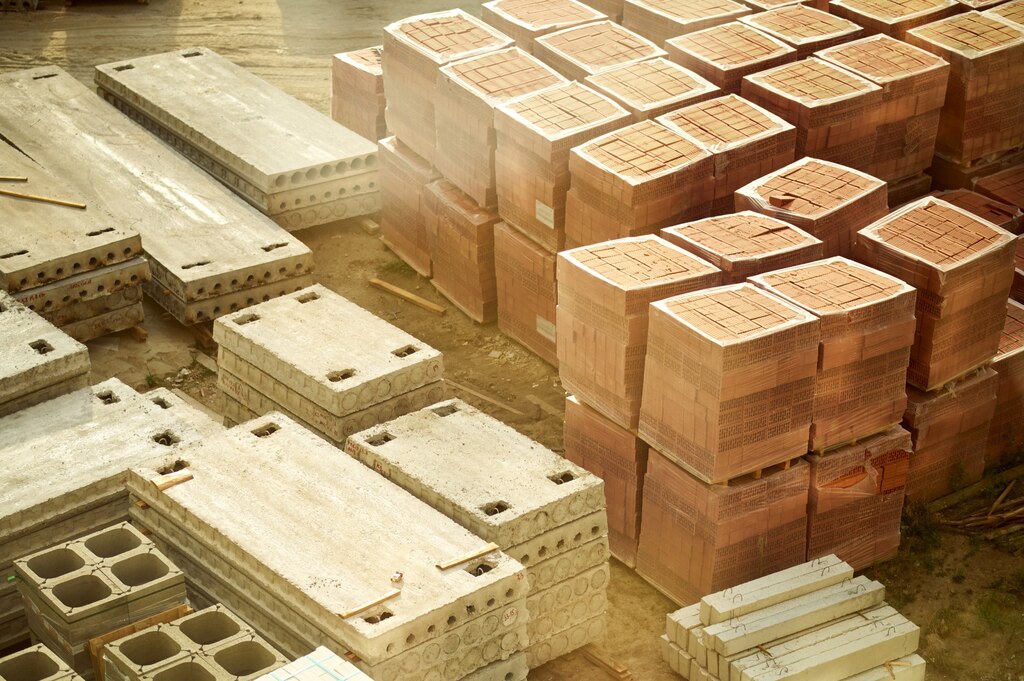
Iraq’s construction demand is driven by practical needs: expanding housing stock, upgrading commercial spaces, developing industrial facilities, and rebuilding or improving public infrastructure. In the Kurdistan Region (Erbil, Duhok, Sulaymaniyah) and other high-activity areas such as Baghdad and Basra, new projects and investment activity create steady consumption of bulk materials, especially for civil works and structural packages.
For buyers, this means imports are not a backup plan. They are often a core part of the procurement strategy, aligned to the baseline schedule and cashflow plan. A helpful macro lens on Iraq’s import structure also shows how imports remain central to many sectors, reinforcing why procurement leaders plan to import construction materials in Iraq as a normal operating mode, not an exception.
As demand rises, risks become more visible and more expensive. Price volatility is common, especially for steel-related items, cement inputs, and MEP commodities where freight and global markets shift. Inconsistent supply is another recurring challenge: a supplier may quote aggressively but cannot hold capacity, or the logistics chain cannot support the promised delivery window. Quality variation is a third pressure point, particularly when buyers accept alternatives without verified test reports or clear batch traceability.
Schedule pressure amplifies every small issue. A one-week delay in materials can become a multi-week delay in execution when crews, equipment, and subcontractors are already mobilised. Planning for imports should therefore include realistic lead times, buffer logic, and a disciplined acceptance process before anything reaches the site.
What construction materials import to Iraq: priority categories and use cases
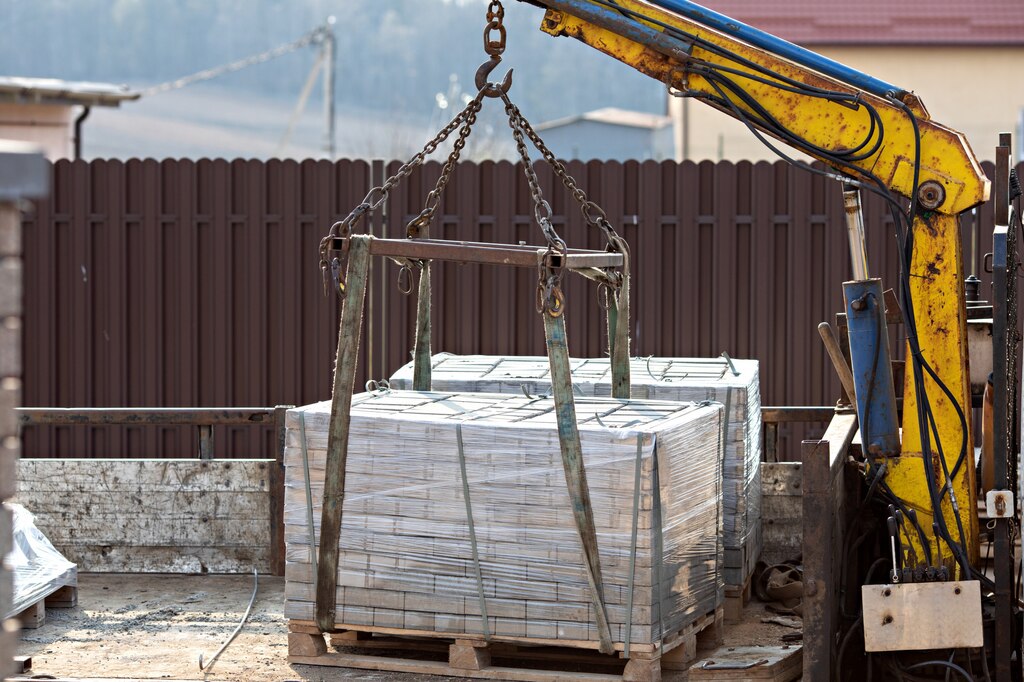
When buyers ask, “What construction materials import to Iraq?” the practical answer depends on the project phase and how the work is packaged. During civil works and early structural phases, bulk items dominate: cement-related inputs, reinforcement steel, formwork accessories, and waterproofing layers for foundations and below-grade elements.
As the structure progresses, demand shifts toward MEP and the building envelope: pipes and fittings, electrical cables, panels, HVAC components, and fire-related systems. In the finishing phase, procurement becomes broader, combining tiles, adhesives, sanitaryware, lighting, and specialist coatings, often with tighter aesthetic requirements and higher rejection risk if samples are not approved early.
Many enterprise buyers also bulk-buy repeatable items across projects, such as cables, pipes, valves, and standard tiles, because standardisation reduces maintenance complexity and improves cost control over time. This approach is common among private developers and international construction companies in Iraq managing multi-site portfolios.
Selection criteria that matter in Iraq
Selection criteria in Iraq are shaped by climate, logistics, and accountability expectations. Compliance with recognised standards matters because projects may involve international consultants, insurers, or investors who require documented evidence rather than verbal assurances.
Durability in Iraq’s climate is also a real procurement requirement: high temperatures, dust exposure, and variable water quality influence the choice of membranes, coatings, cable insulation, and pipe materials. Lead times and packaging requirements can be just as important as the product itself; if pallets are unstable, labels are missing, or bundles are not protected, site receiving becomes a dispute instead of a handover. After-sales support and responsiveness matter more than many buyers expect, especially for MEP components, because commissioning issues often need fast clarification and replacement pathways, not long email chains.
High-volume materials buyers typically source internationally
International sourcing is most common for materials that are high-volume, highly price-sensitive, or require consistent technical documentation. Cement and clinker are frequently imported to supplement local availability, especially when projects demand predictable supply for concrete works. Steel rebar and sections are another major category, where grade confirmation and mill documentation are central to acceptance.
Aggregates and additives may also be imported for specialised concrete performance, such as water-reducing admixtures or materials that improve durability. Waterproofing systems, including membranes and protective coatings, are imported when long-term performance and certified systems are required, particularly for basements, roofs, and wet areas.
MEP and finishing packages also make up a significant share of international procurement. Pipes and fittings, whether for potable water, drainage, or industrial use, are commonly sourced with clear specifications on pressure rating, material type, and joining methods. Electrical cables and accessories are frequently imported because buyers want predictable copper quality, insulation standards, and labelling. Tiles and finishes are imported for consistency in shade, sizing, and slip resistance, especially in commercial and healthcare projects where performance specifications are strict.
HVAC and broader MEP components are also regularly sourced internationally, but they require stronger submittal discipline because compatibility, spare parts, and commissioning support directly affect handover dates.
| Project phase | Common import focus | Typical examples mentioned |
|---|---|---|
| Civil and early structural | Bulk structural and below-grade protection | Cement-related inputs, reinforcement steel, formwork accessories, waterproofing layers |
| Structure progressing (MEP and envelope) | Services and building systems | Pipes and fittings, electrical cables, panels, HVAC components, fire-related systems |
| Finishing phase | Aesthetic and performance-sensitive finishes | Tiles, adhesives, sanitaryware, lighting, specialist coatings |
Import construction materials in Iraq: step-by-step process from planning to delivery
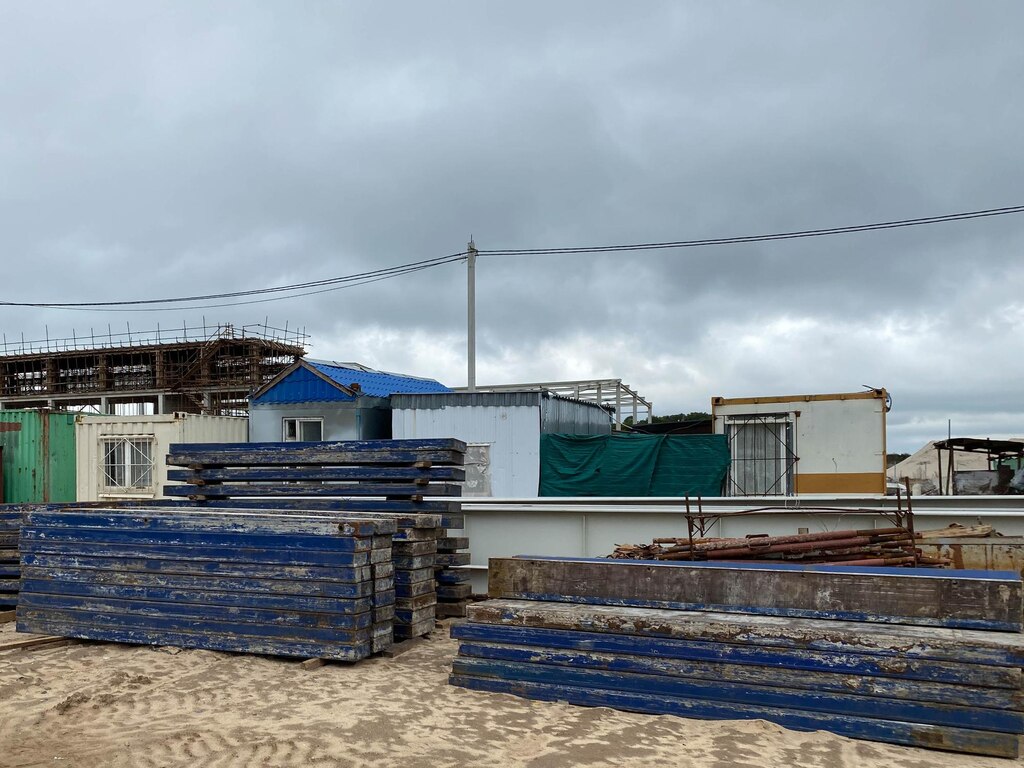
A reliable import programme starts before any quotation is requested. The first requirement is finalising specifications and the BOQ in a way that reduces ambiguity, including standards, tolerances, approved alternatives, and required test documentation. From there, buyers should build a shortlist of suppliers that can prove capacity and past performance, not only offer low pricing.
Samples and testing should happen early, especially for finishes and any material that will be difficult to replace after installation. Quotation comparison should be structured, comparing like-for-like on Incoterms, lead time, packing, documentation, warranty, and inspection rights, rather than focusing only on unit price. Contract terms then need to convert the quotation into enforceable commitments that support the project schedule and quality requirements.
After contracting, production follow-up is where many schedules are won or lost. Buyers should insist on a production plan that matches the agreed delivery window, and they should track progress with photos, batch references, and milestone confirmations rather than waiting for “ready to ship” updates.
Shipment planning should include realistic sea freight or land freight time, port handling, and inland transport time, plus contingency for congestion or documentation rework. On-site receiving is not a formality; it is the final control point where quantities, labelling, visible damage, and document completeness should be checked immediately. If receiving is rushed, disputes become harder to resolve because materials get mixed, proof is lost, and the site team moves on.
Mandatory checkpoints that prevent rework and claims
To reduce rework and protect timelines, treat the following checkpoints as mandatory, not optional.
| Checkpoint | What to confirm | Purpose |
|---|---|---|
| Submittals | Technical data sheets, compliance statements, samples; approval status before production | Prevents producing to unapproved or unclear requirements |
| Inspection plan | Who inspects, what is inspected, required tests (factory, third-party, or on arrival in Iraq) | Creates verifiable compliance before installation risk |
| Delivery schedule | Shipments aligned to actual installation windows | Reduces congestion, damage risk, and double-handling |
| Acceptance criteria | Clear rejection triggers (grade, dimensions, labelling, test report gaps) | Speeds dispute resolution and protects quality control |
When these items are written into the procurement workflow (and not left to emails), the supplier understands what “done” means, and the site team has clear authority to accept, quarantine, or reject.
Import construction materials in Iraq from India: how to source, verify, and contract safely
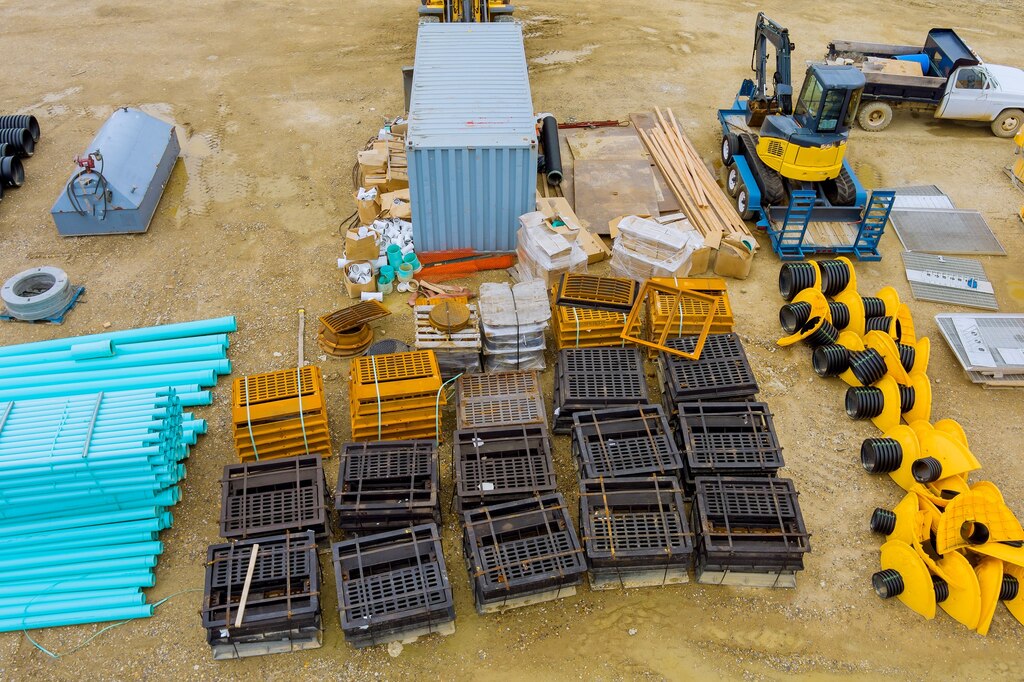
Import construction materials in Iraq from India is attractive for many buyers because India offers strong manufacturing capacity, wide product variety, and competitive pricing across both structural and finishing categories. For enterprise procurement, India can also support scale, including repeat orders, multi-site programmes, and phased delivery, if the supplier relationship is managed with strong documentation and inspections.
Where errors typically happen is predictable: grade mismatches on steel, incomplete test documentation, inconsistent packing practices, and lead time variability during peak production seasons. Another common issue is substitution of “equivalents” without explicit approval, especially when specs are not locked and the contract language is weak.
The goal is not to avoid India; it is to source with controls that make outcomes predictable for site teams, consultants, and international construction companies in Iraq that cannot afford approvals and commissioning delays.
Supplier due diligence checklist for India-based sourcing (for projects in Iraq)
The strongest buyers treat due diligence as a project activity with owners and deadlines, not as informal calls. Requirements:
- Factory audits and references: confirm capacity, QA procedures, and history with similar specs and volumes.
- Sample approval: approve samples and mockups where relevant, and lock the approved reference before mass production.
- Certifications and test reports: verify applicable standards and require batch-linked reports, not generic certificates.
- Production timeline confirmation: secure a dated production plan with milestones and a reporting cadence.
- Packing and marking requirements: define palletising, wrapping, moisture protection, and labelling language (including Arabic and/or Kurdish where required by the project).
This checklist is most effective when it is tied to release gates, for example, “no advance payment until samples are approved” or “no shipment release until pre-shipment inspection and the document set are complete.”
Contract and verification controls that reduce risk
Verification and contracting should be designed to prevent the most expensive failures: wrong material installed, delayed milestones, or missing documents at clearance. Factory validation is critical for high-volume or high-risk items; if a supplier cannot share references, basic production details, and a clear QA process, they should not be shortlisted for critical packages.
Third-party testing is valuable for materials like steel, cables, and membranes where performance cannot be verified by appearance. Batch traceability should be built into purchase orders and packing lists so that what arrives on site can be matched to test reports and certificates. Incoterms, payment terms, penalties, and dispute handling should be explicit and practical, because goodwill does not replace contract clarity when the project is under schedule pressure.
Compliance, shipping, and risk controls for enterprise procurement in Iraq
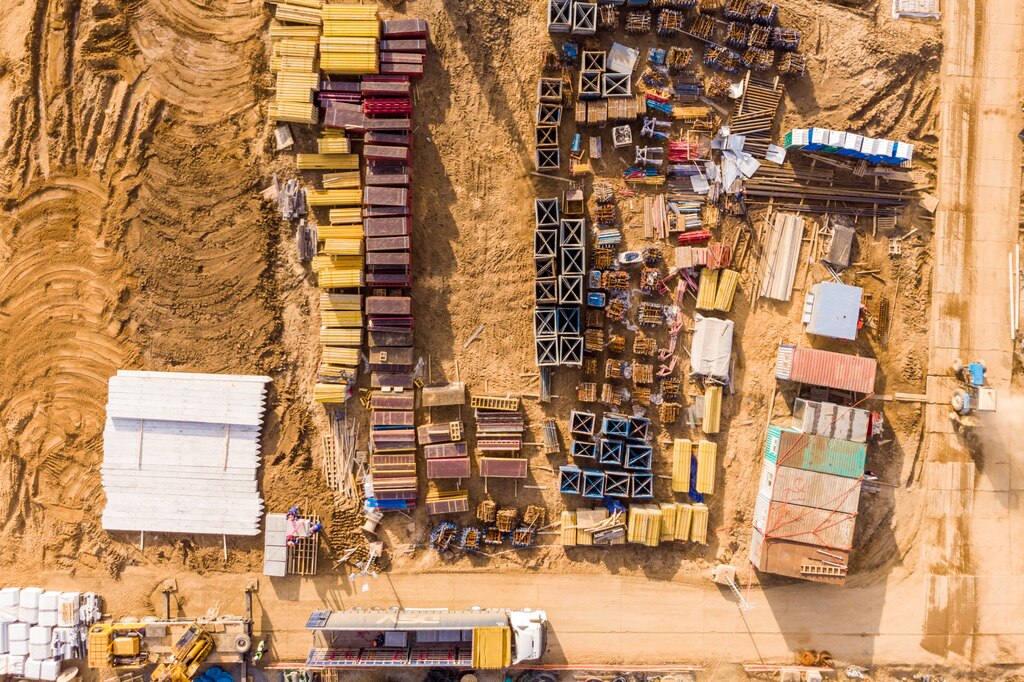
Smoother clearance and fewer delays depend on disciplined documentation and consistent shipping practices. At a minimum, buyers should ensure commercial invoices and packing lists match exactly, with consistent item descriptions, quantities, and weights.
Certificates and inspection reports should be prepared in advance and linked clearly to the shipment and batch numbers. “We will send it later” is a common cause of delays and disputes at Iraqi ports and during inland delivery to sites in Baghdad, Basra, or the Kurdistan Region. For certain categories, additional documentation may be requested by project stakeholders or authorities, so align document requirements with the project consultant and internal compliance team before ordering.
Iraq’s broader trade reality, where imports play a major role, also means that experienced buyers treat paperwork as part of the product, not an administrative afterthought, because missing documents can stop delivery even when the material itself is correct. For reference on Iraq’s trade structure and import reliance, see Britannica’s overview of Iraq trade and imports.
Practical risk controls that protect schedule without overspending
Enterprise procurement works best when risks are reduced early, not managed late. Buffer stock planning is often justified for fast-moving commodities that can halt work, such as rebar accessories, waterproofing primers, standard cable sizes, and common fittings. Split shipments can reduce the impact of a single delay and keep critical activities moving, especially when projects are phased across multiple buildings or zones.
Alternative suppliers should be pre-qualified early, not searched in a panic after a delay occurs, because emergency sourcing typically increases cost and reduces quality control. Escalation paths should also be agreed upfront: who decides on acceptance, who negotiates claims, and how replacements are shipped when quality or delay issues occur. For market context on demand outlook and constraints, enterprise teams often review third-party market summaries such as Iraq’s construction materials market coverage, then translate those insights into practical sourcing contingencies.
Why Aldhaman fits high-accountability procurement in Iraq (materials + delivery + execution)
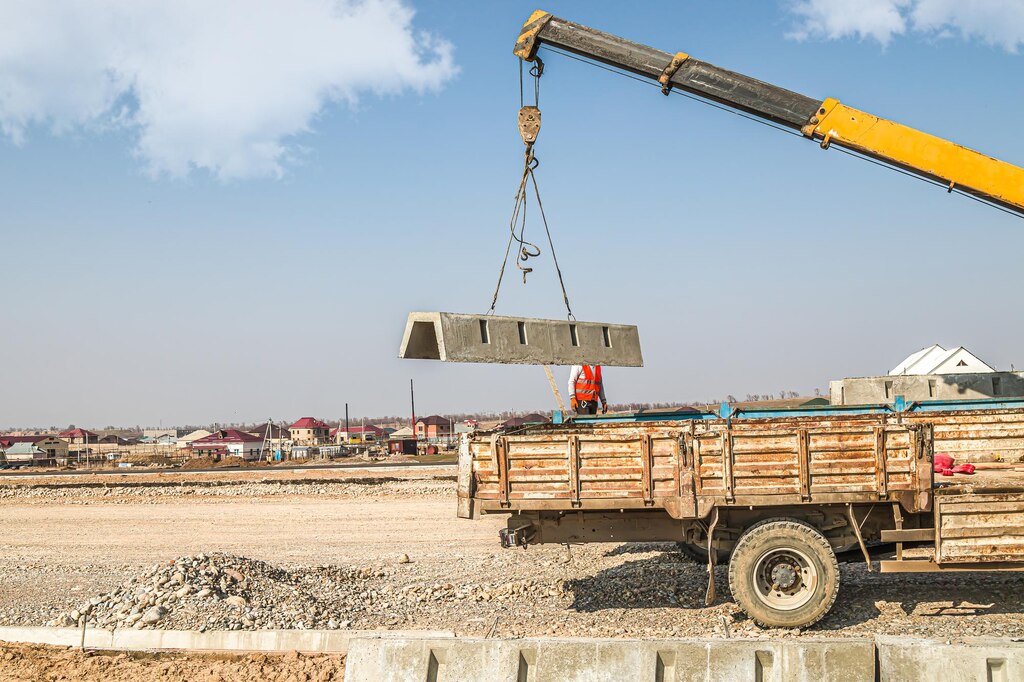
Aldhaman is built for buyers who want one accountable partner, not a chain of disconnected suppliers and subcontractors. We import materials, deliver them to site, and execute projects as a general contractor with project management tied to schedule and quality targets. That combination matters because procurement decisions cannot be isolated from execution realities; the best-priced shipment is not a success if it arrives after the installation window or fails site acceptance.
Our teams work with clear specifications, documented approvals, and controlled receiving so materials flow into construction without creating bottlenecks. We understand what investors and consultants expect in Iraq: evidence, reporting, and results that match international standards while staying practical on the ground.
Our differentiators are operational and measurable. We operate with over 1,800 workers and our own heavy machinery, which reduces dependency on last-minute subcontract capacity and supports predictable progress on large sites. We provide worker accommodation to maintain stable manpower and reduce disruption during peak phases. We also bring local Iraq execution experience aligned with international standards, helping enterprise clients manage stakeholder expectations without losing speed.
If you are planning a new build, expansion, or multi-site programme and need reliable bulk sourcing with clear accountability, Aldhaman is ready to support you. Share your BOQ, timeline, and target standards, and we will propose a practical import and delivery plan that fits your schedule and risk profile. We will be direct about lead times, documentation, and acceptance criteria so there are no surprises at the site gate. Contact Aldhaman to discuss your procurement needs and how we can help you import construction materials in Iraq and deliver quality projects on time, with the controls enterprise teams expect.
Frequently Asked Questions about importing construction materials in Iraq
What documents are usually required to import construction materials in Iraq without clearance delays?
Most delays happen when the document set is incomplete or inconsistent across pages. At minimum, keep the commercial invoice and packing list perfectly aligned (same item names, quantities, weights, and package counts). For technical acceptance, include certificates of origin and any required compliance certificates or test reports, ideally referenced by batch, heat, or lot numbers so the site team can match paperwork to what is delivered. If your project has an international consultant, add the consultant’s required submittals (datasheets, approvals, and inspection reports) to the “must ship with goods” list, not as follow-up emails.
How do I reduce the risk of receiving the wrong grade or unapproved equivalent materials?
Start by locking specifications early: standard, grade, tolerances, and clearly written approved alternatives. Then convert those specs into enforceable purchase order language, including rejection triggers (for example: missing batch-linked reports, mismatched markings, or non-compliant dimensions). For higher-risk items like steel, cables, membranes, and pressure-rated pipes, combine third-party inspection with batch traceability on packing lists. This creates a chain of evidence from factory to site, which makes it much harder for unapproved substitutions to slip through.
When importing from India, what supplier checks matter most for Iraqi projects?
The checks that matter most are the ones that predict consistent output, not just a good first shipment. Confirm factory capacity (actual production lines and monthly output), QA procedures (how they test, how they label, how they handle non-conformance), and references for similar specs and volumes. For finishes, insist on sample approval and keep the approved sample as the locked reference for shade, size, and surface quality. Finally, ask for a dated production plan with milestones; a supplier who cannot provide a realistic plan is more likely to miss deadlines during peak seasons.
What is the best Incoterms approach for enterprise buyers importing construction materials in Iraq?
The best Incoterms choice depends on how much control you want and what logistics capability you have locally. If you want tighter control over freight, routing, and timing, terms that give you control of main carriage can be useful. If you want the supplier to manage more of the logistics burden, choose terms that clearly define who pays and who is responsible at each handover point, and make sure document responsibilities are explicit in the contract. Whatever you choose, align Incoterms with your clearance plan and site delivery plan so there is no gap between “arrived to port” and “delivered to site,” where many schedules slip.
How should site teams in Iraq receive imported materials to avoid later disputes?
Receiving should be treated as a controlled handover, not a quick offload. Verify quantities, package counts, labels and markings, and visible damage immediately, and take photos tied to container numbers or truck plates for traceability. Check that batch numbers on bundles or cartons match the test reports and certificates provided. If anything is unclear, quarantine the material and escalate the decision using a defined acceptance process (site, QA/QC, consultant if applicable) before materials are mixed into general stock or installed. This simple discipline often prevents expensive rework and claim disputes later.